
Cocoplum Beach
Cocoplum Beach Village, Marathon, Florida
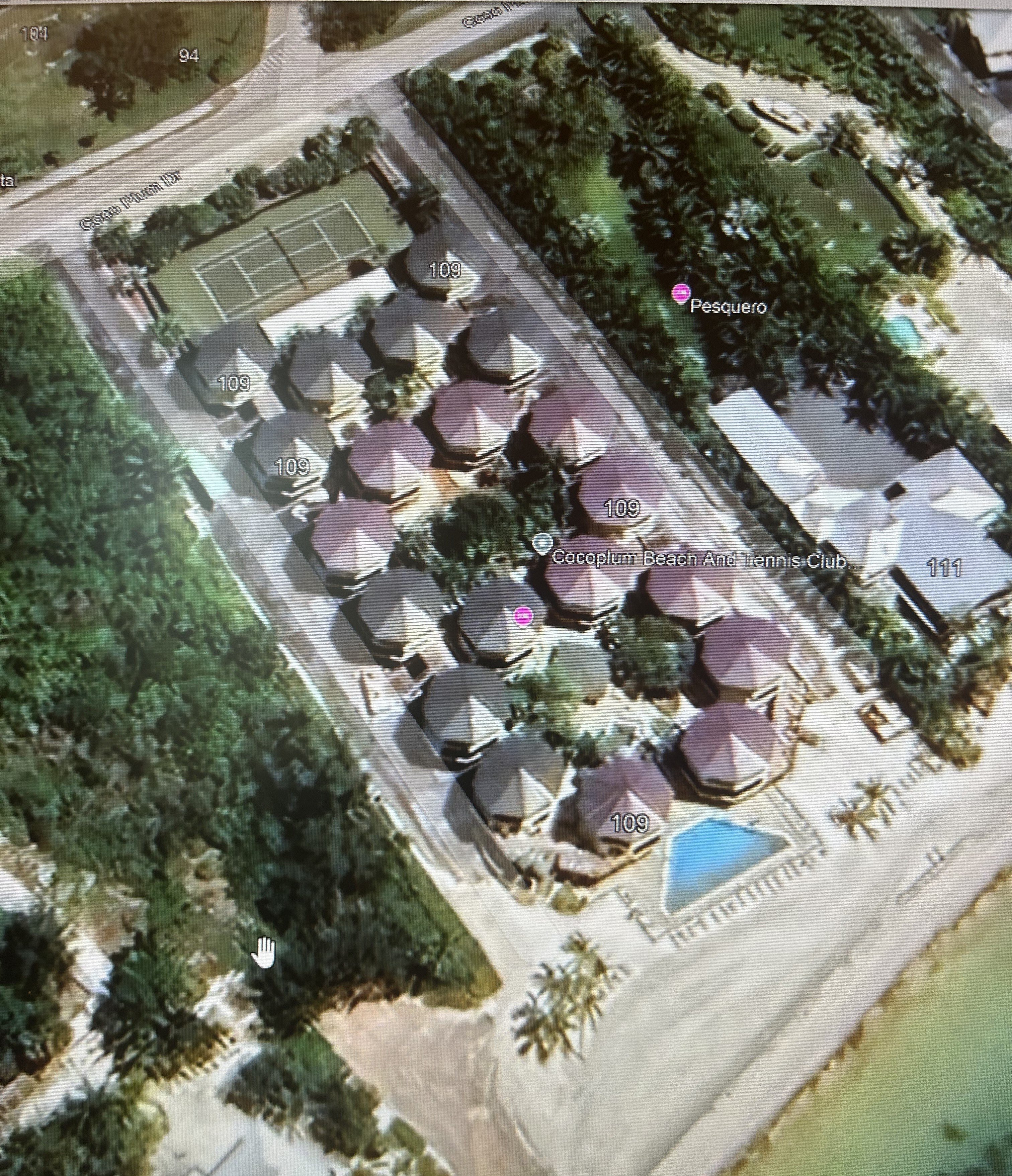
Site Plan
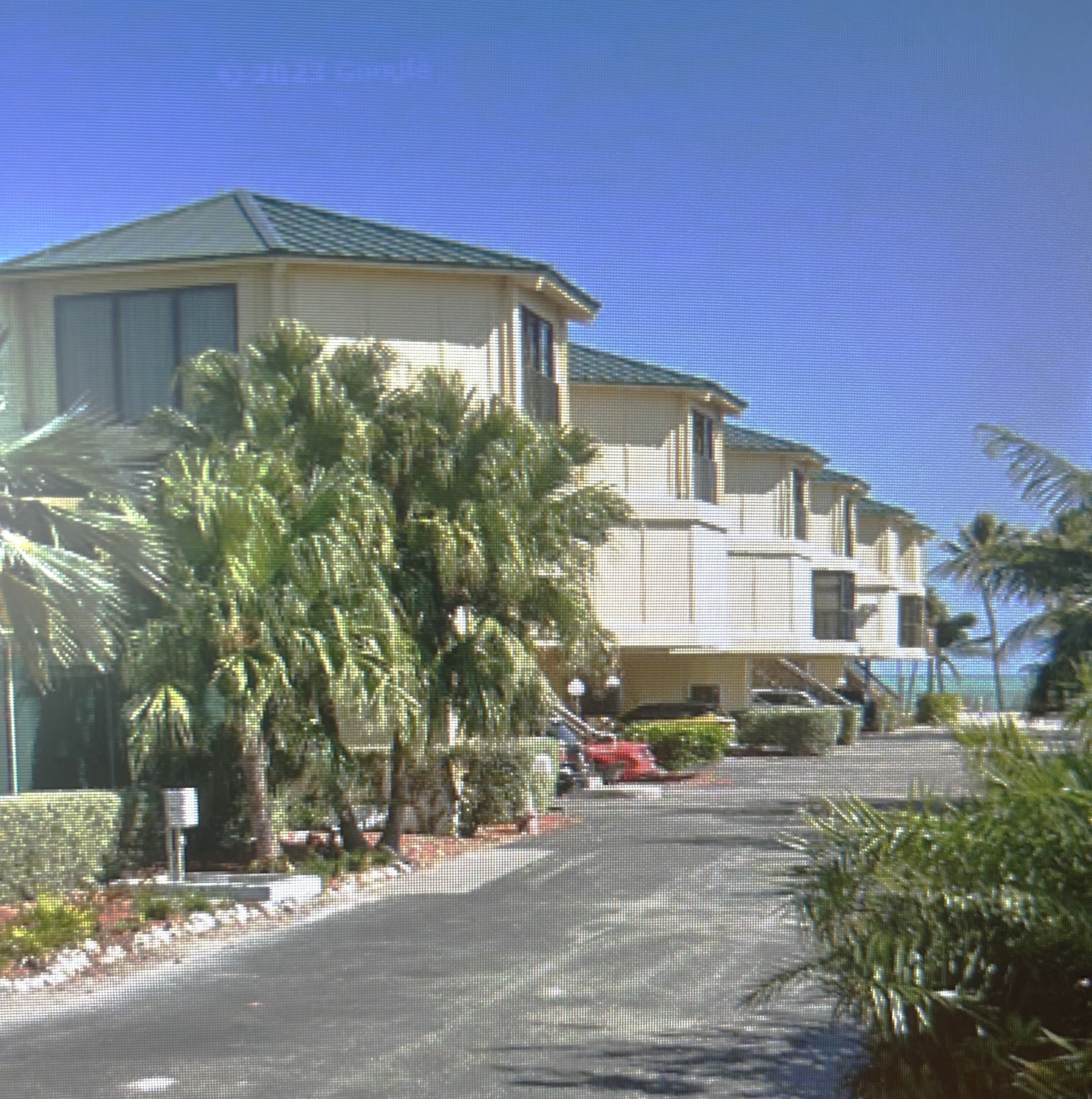
Twenty single-family living units designed for a leisurely living style on the Atlantic Ocean in the Keys at Marathon, Florida. Site amenities include a tennis court, a pool, and multiple landscaped gathering points to enhance the site experience.
View toward the ocean.
Two-story single-family living units raised over a parking area maximized valuable ground area for amenities and views of the Atlantic Ocean. The project was built in the mid-1970’s with prefabricated factory-built housing units and erected in a short construction period.
Hialeah HUD
Elderly Living Units for Hialeah, Florida Turn-Key Architects and Developers
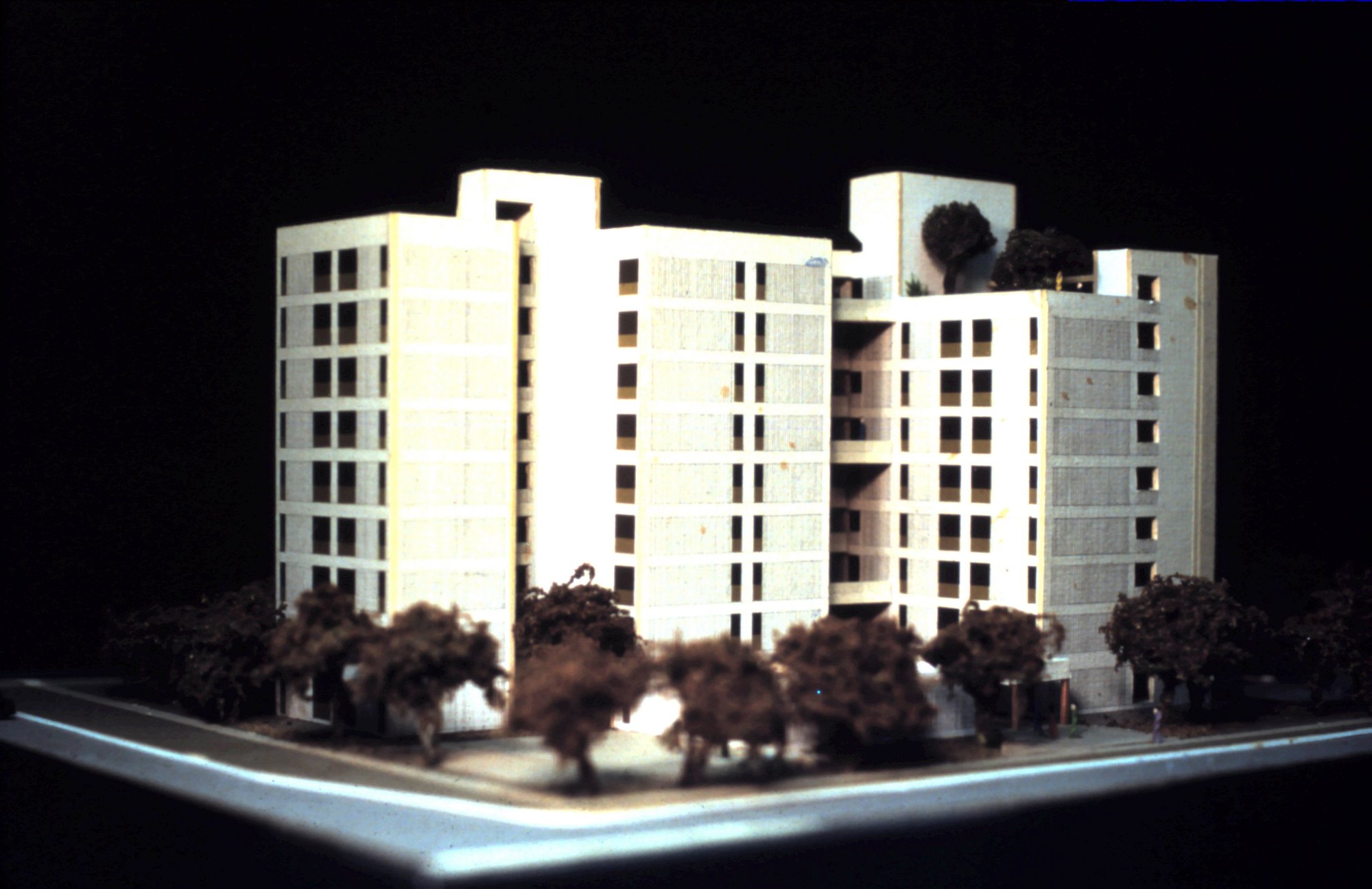
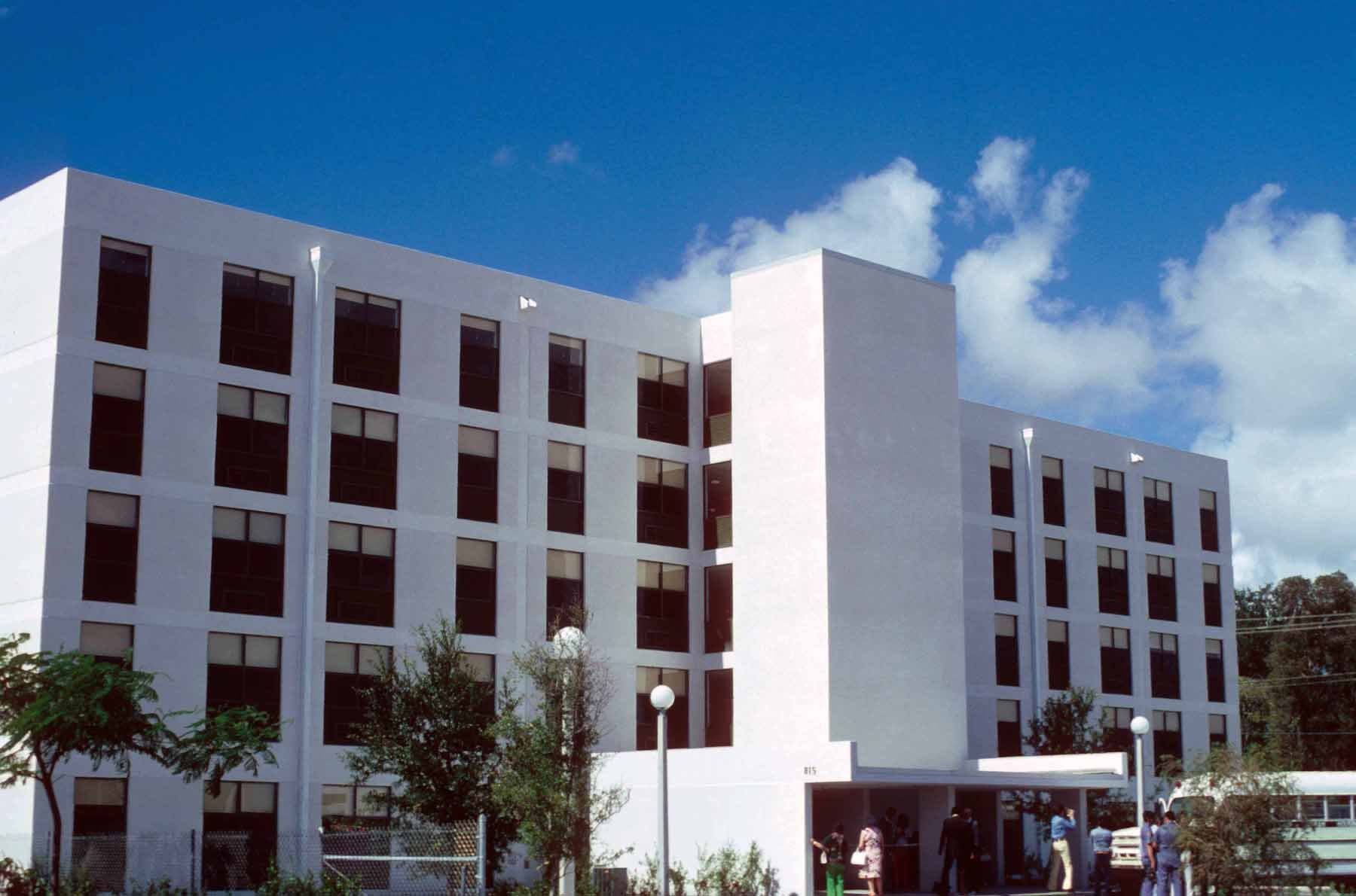
This project is for 60 elderly housing units in Hialeah, Florida, for which Giddens-Cooper served as both the architect of record and a partner in the development aspects of the Turn-Key Project. We purchased the land, financed the professional services, and worked with our partner, a local construction company, to develop this site in Hialeah, Florida, not far from the heart of town. The project is still viable over fifty years later.
Miami-Dade Housing for the Elderly
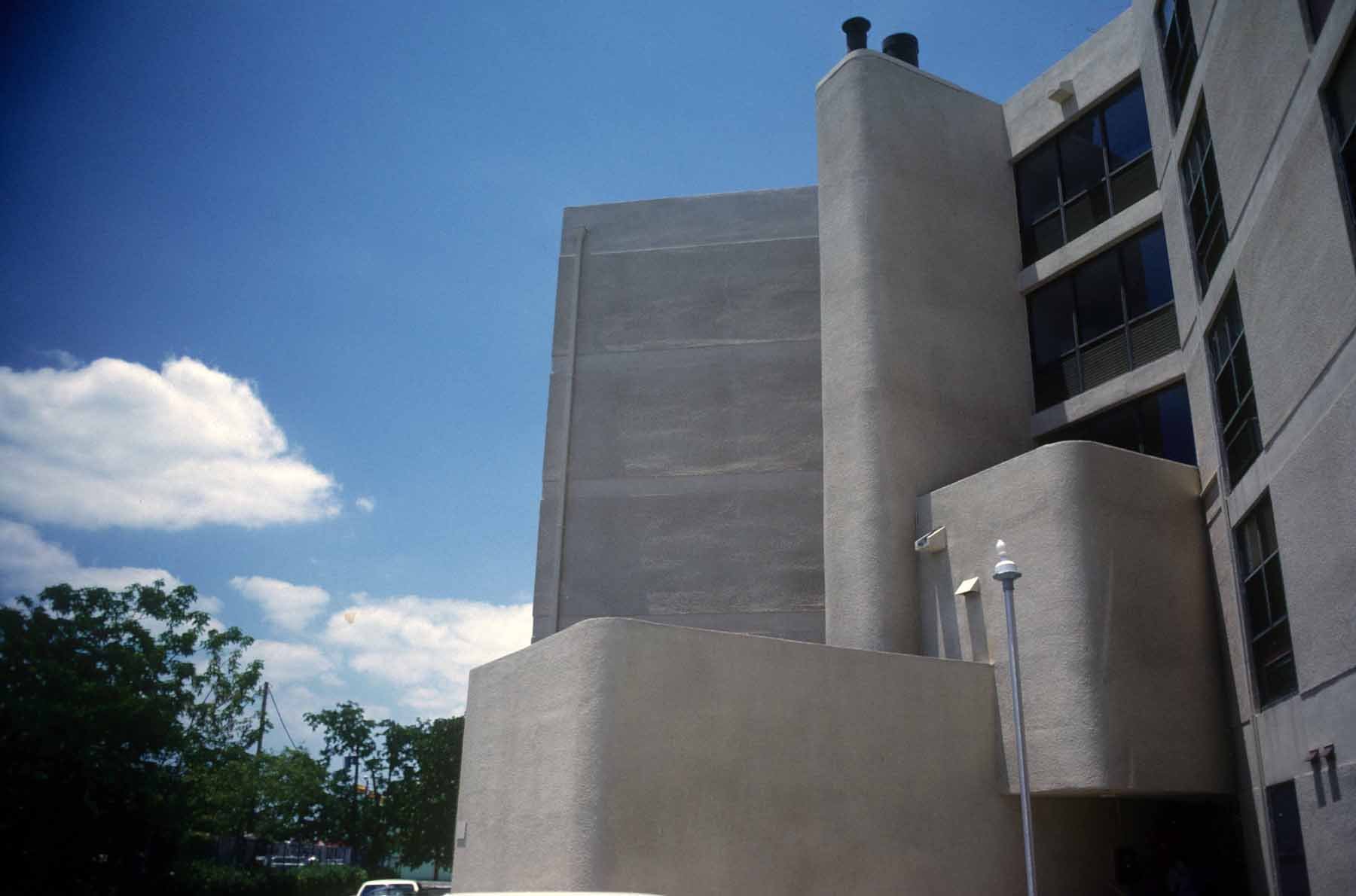
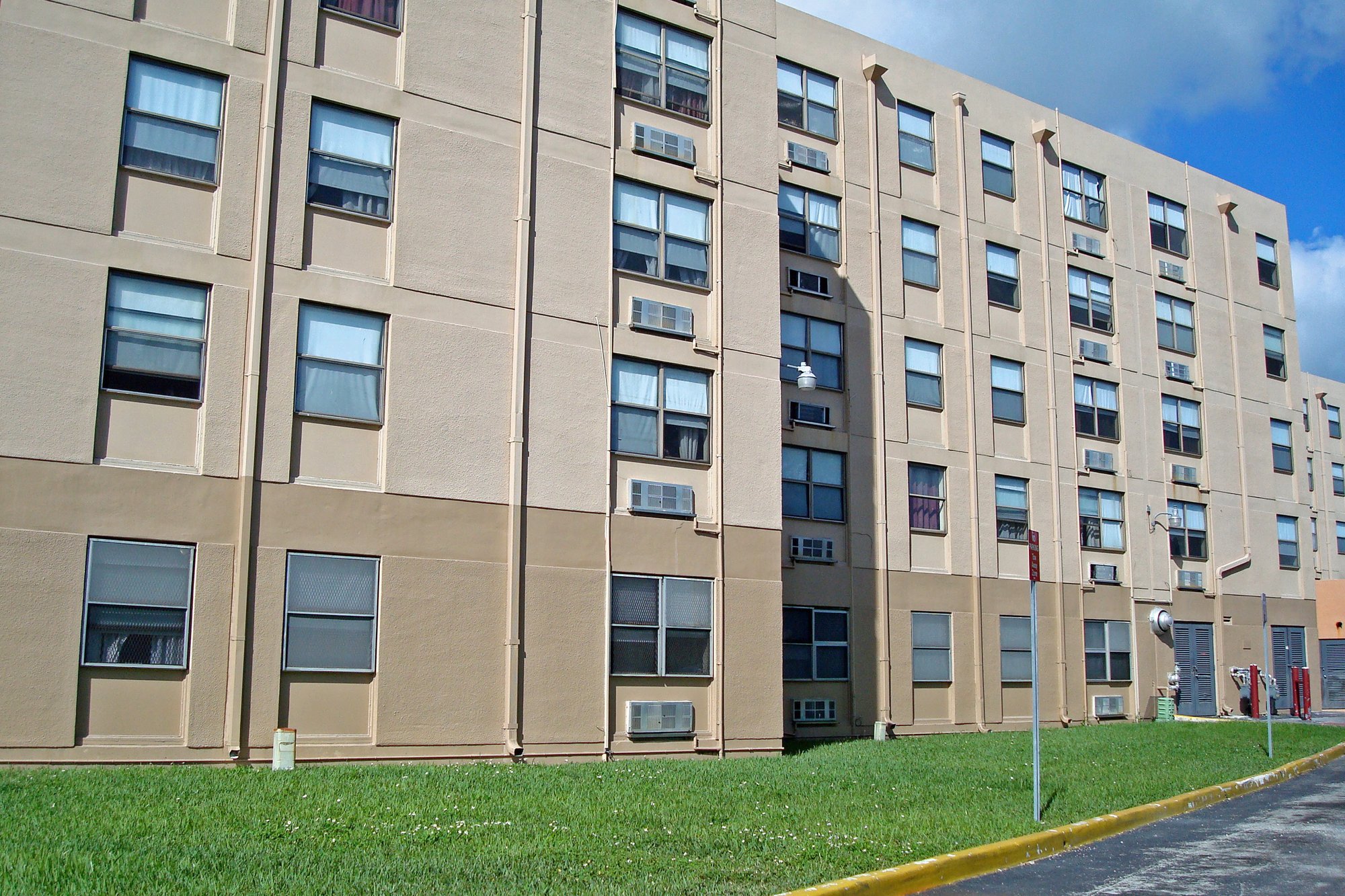
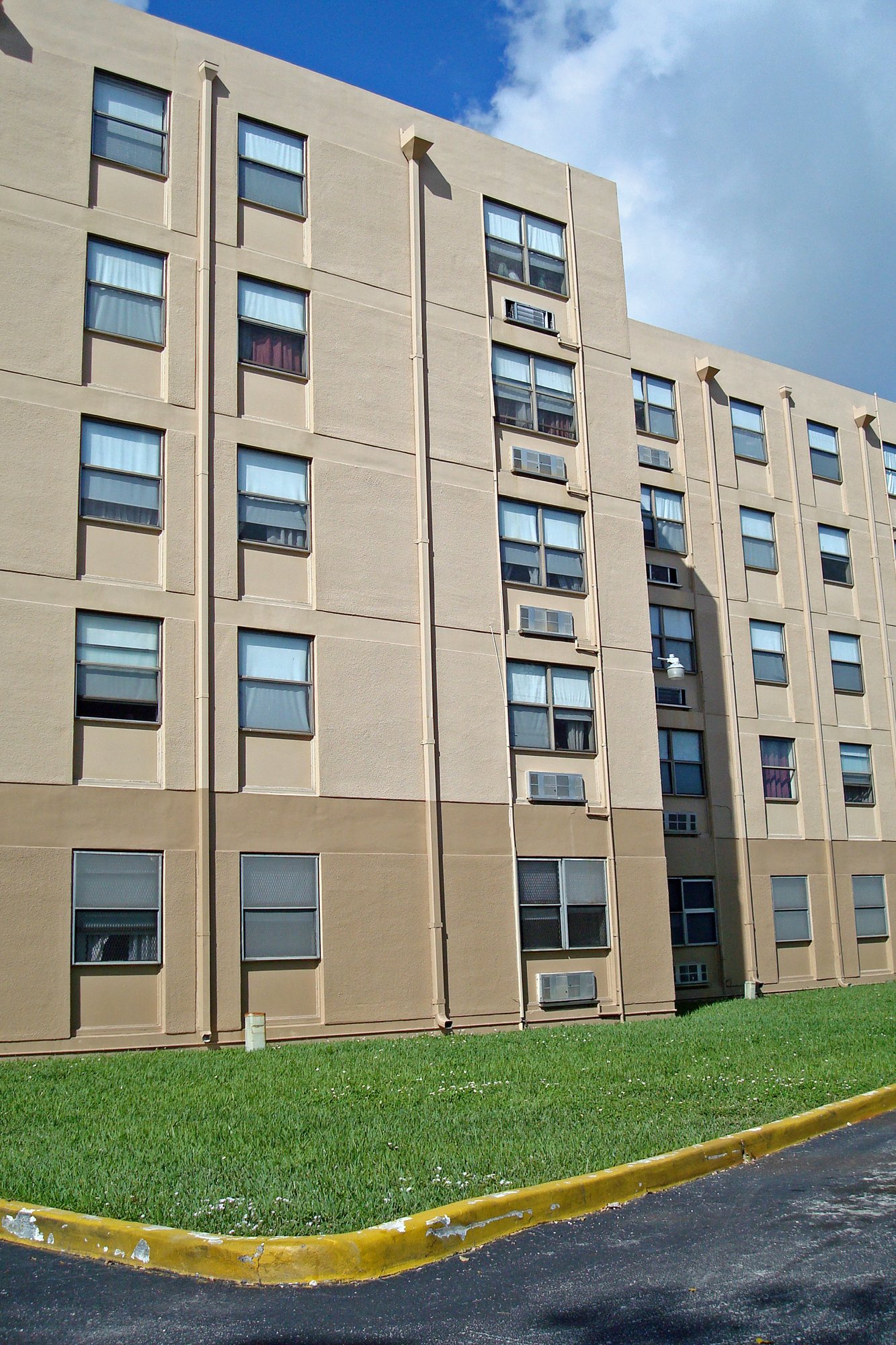
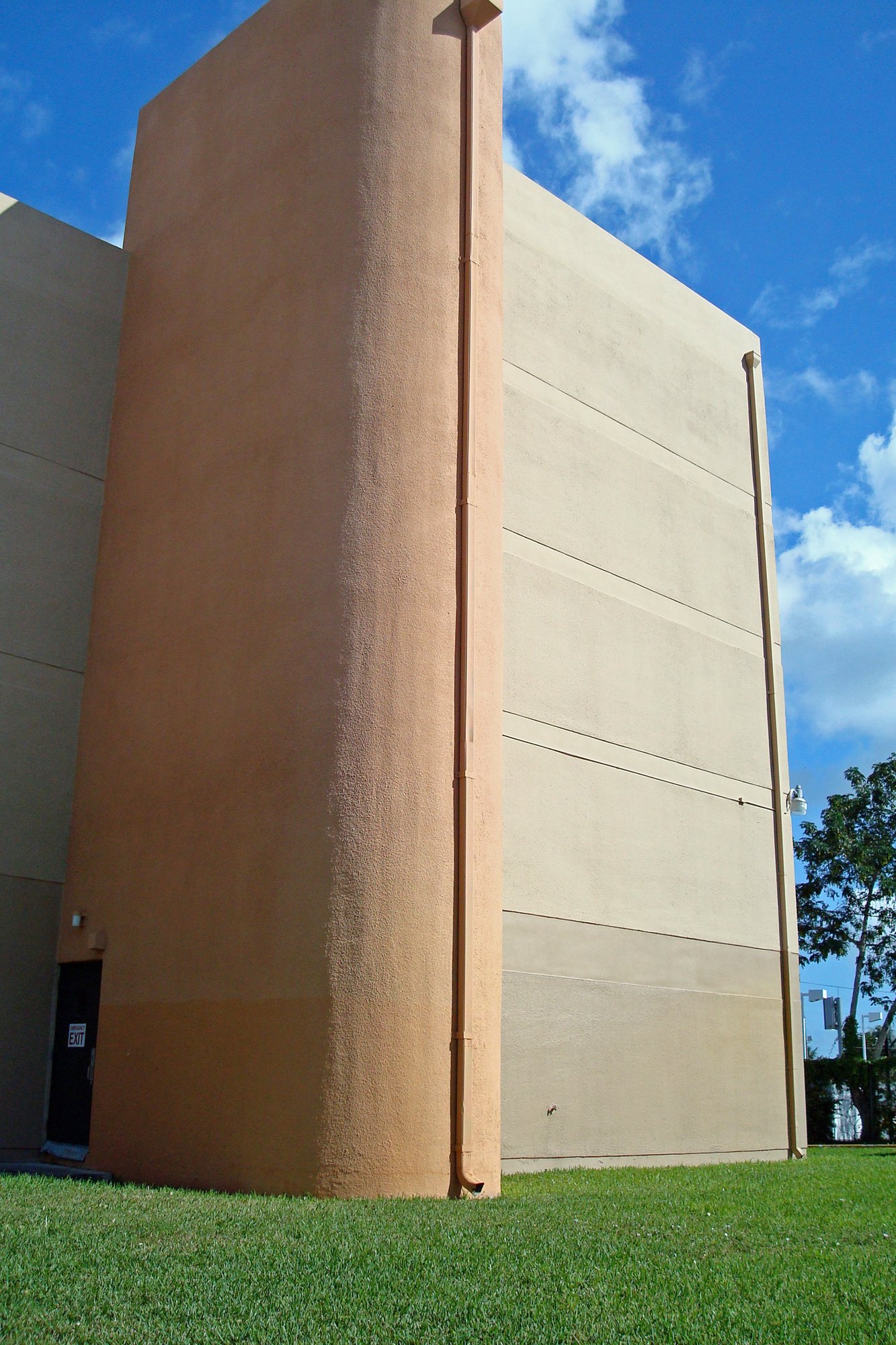
Miami-Dade County Housing and Urban Development, Miami, Florida
This project is for 83 elderly housing units in Miami-Dade County, for which Giddens-Cooper served as both the architect of record and a partner in the development aspects of the Turn-Key Project. We purchased the land, financed the professional services, and worked with our partner, a local construction company, to develop this site in Northwest Miami, not far from Edison Senior High School, on a major arterial highway that provided frequent bus service. The project is still viable over fifty years later.
Cherry Hill NY Family and Eldrly Housing
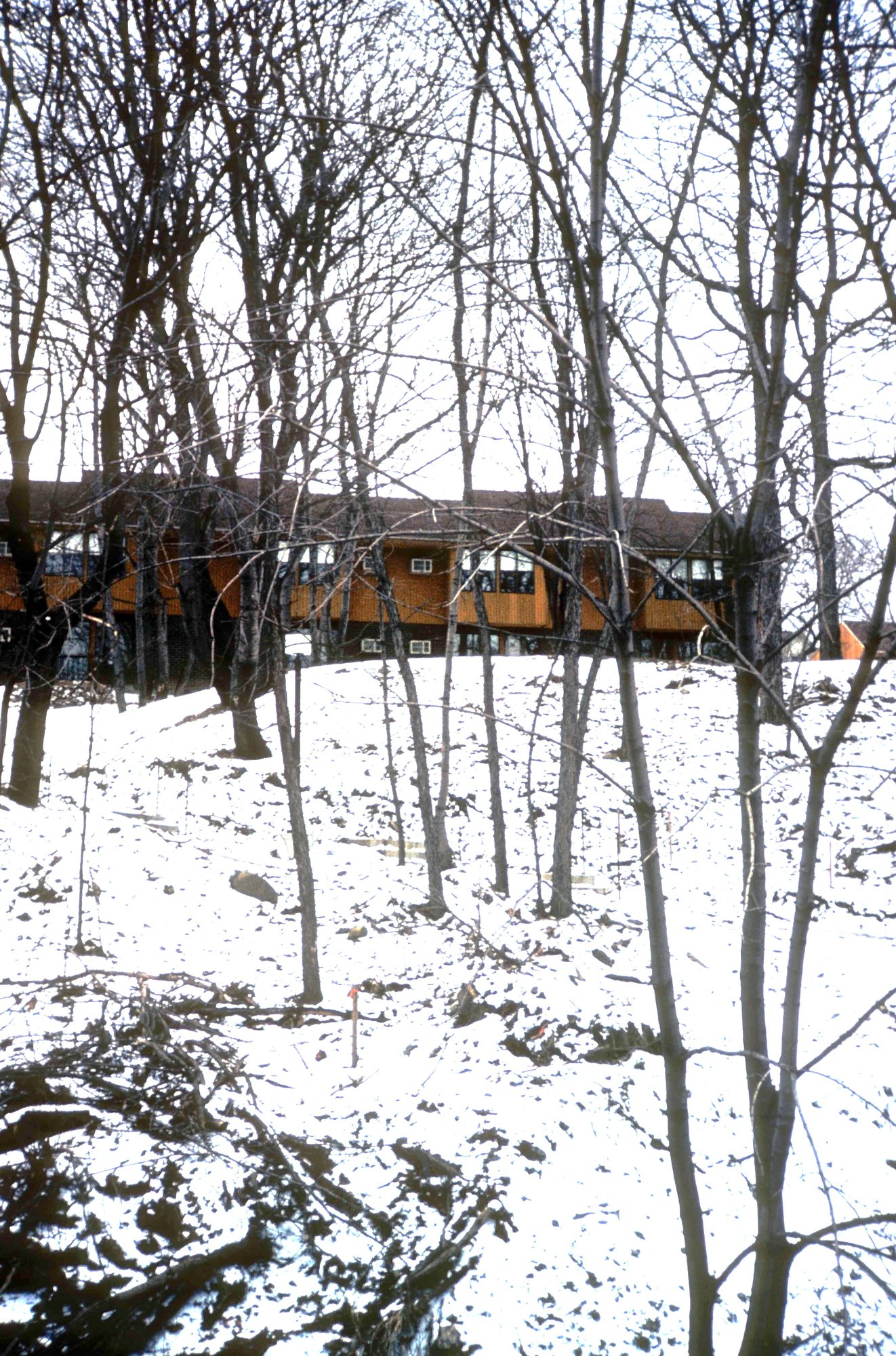
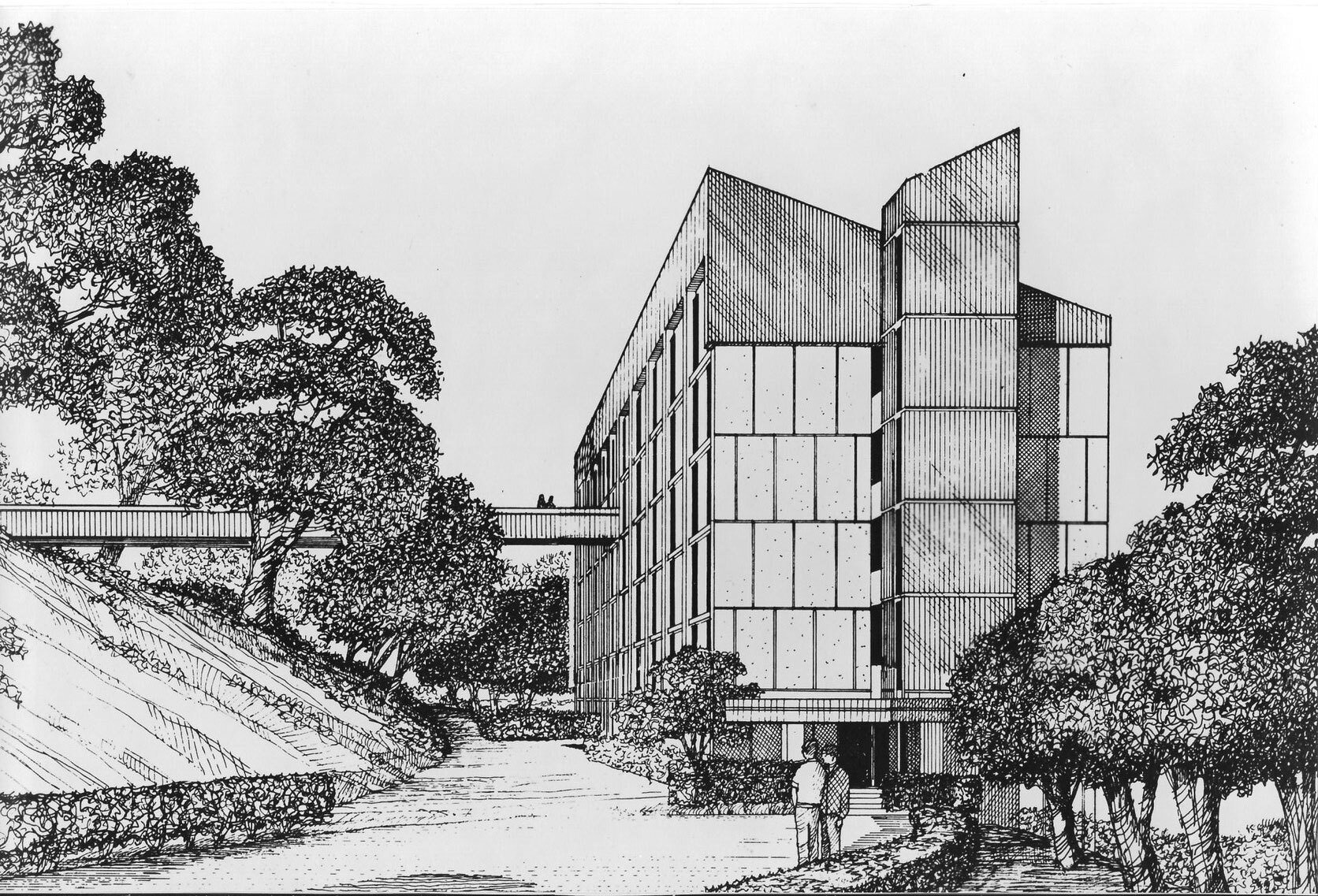
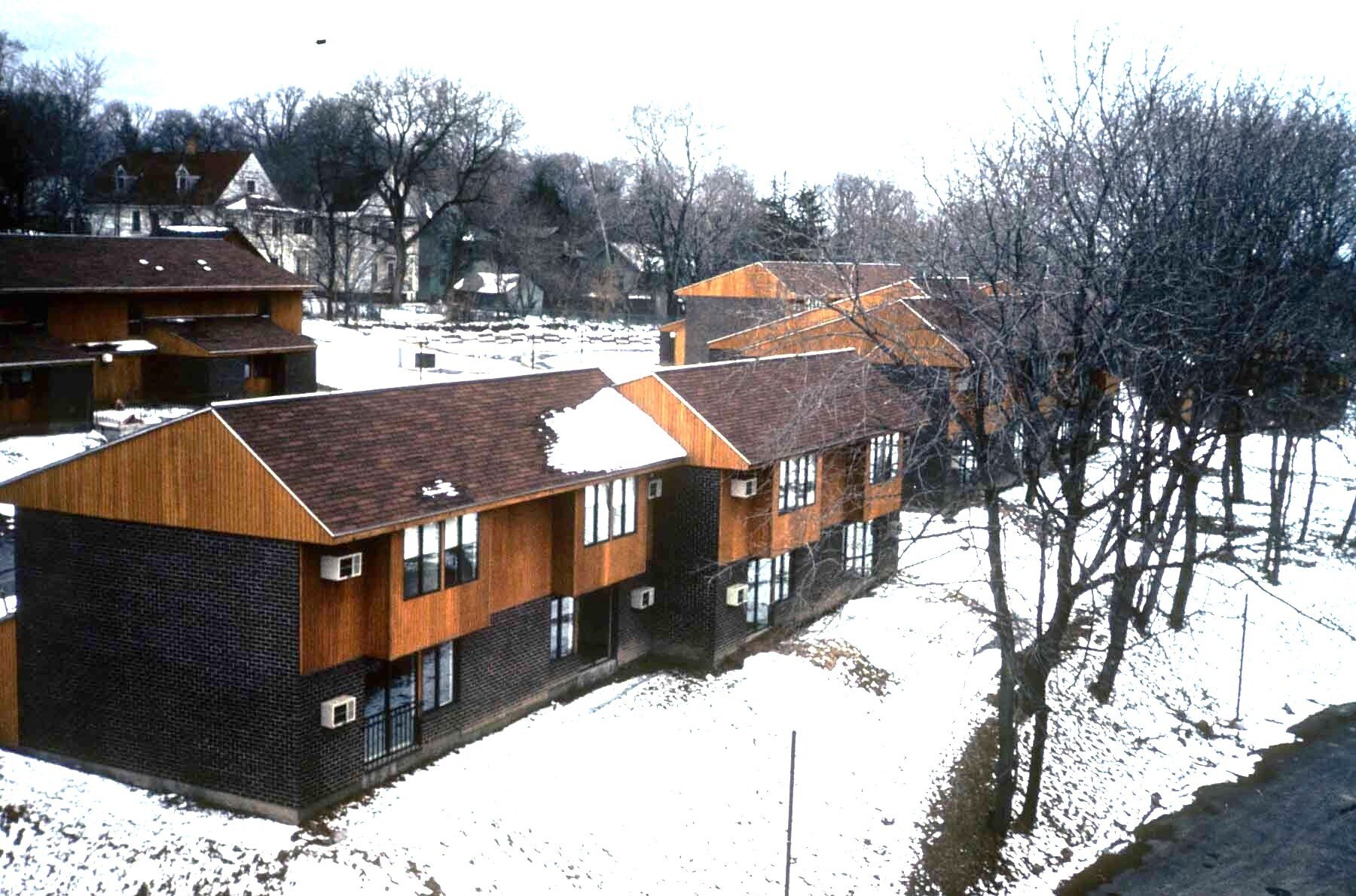
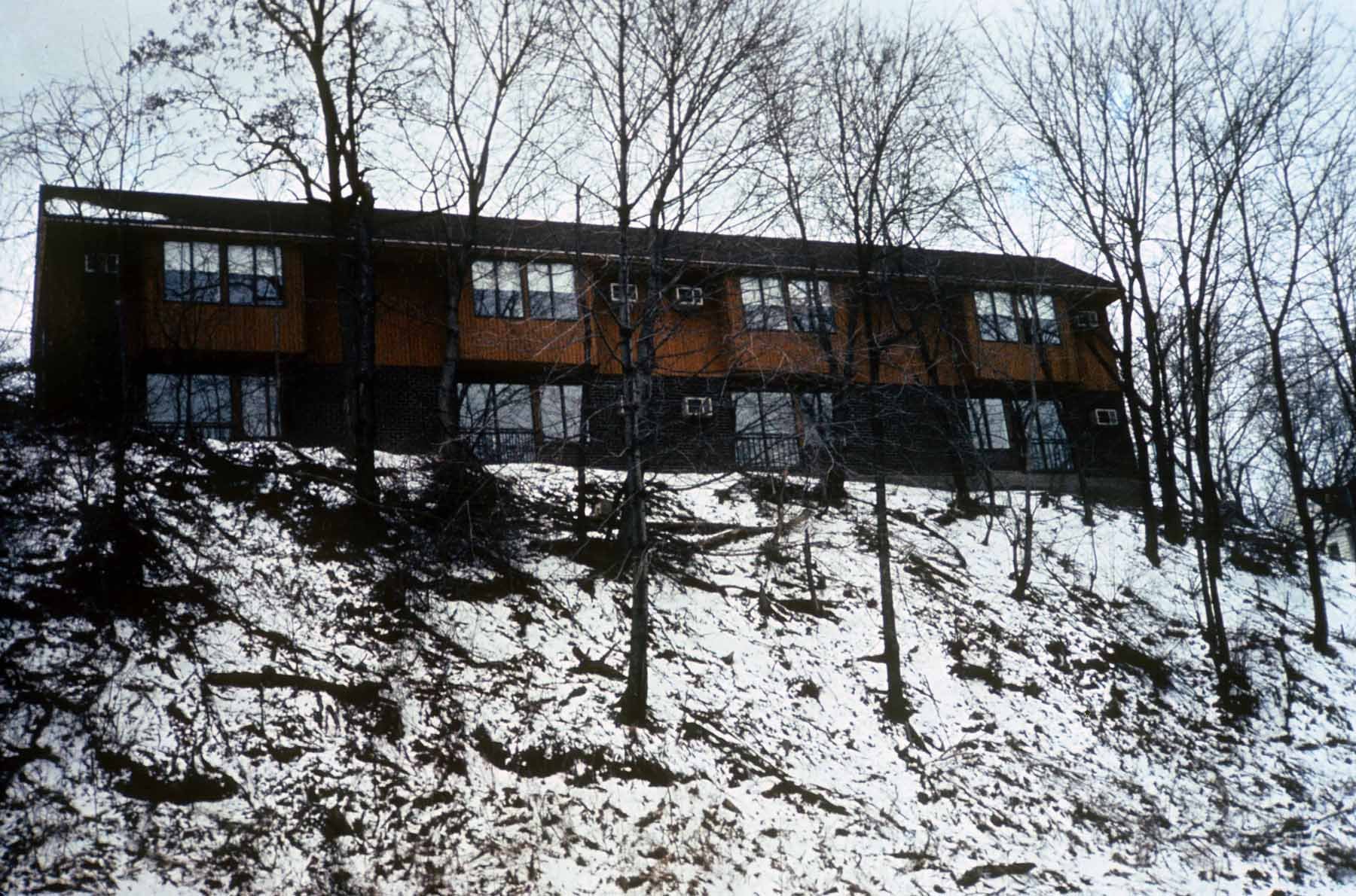
Family and Elderly Affordable Housing for Cherry Hill, New York
As Director of Design and Research for Housing Corporation of America, a subsidiary of Alcoa Aluminum, and working under the direction of architect Kenneth Triester, AIA, we produced this turnkey project for the Urban Development Corporation of New York.
This project achieved its affordability through the factory production of the “service module.” Which contained the most expensive portions of a living unit, namely the kitchen, bathrooms, air conditioning, hot-water storage, and stairs (if needed). These areas are heavily involved in the mechanical, electrical, and plumbing trades in a factory setting with weather control and 24-hour production possible. The service module, a very dense, expensive, and labor-intensive unit to construct, was shipped to the sites at a lower cost. The remaining portions of the living units (exterior walls, interior partitions, floors, and roofs) were constructed on site using panelized construction systems.
The two-story townhouse buildings were designed for family living units with open space and a recreation area adjacent. The elderly living units were constructed on site using either tilt-up slabs or lift form concrete. The service modules were lifted into place by cranes after being delivered to the site on flatbed trucks from the factory.
In these projects, Housing Corporation of America provided services as the architect and co-partner in the development of these turnkey projects. Similar services were performed in other states, including California, Tennessee, Georgia, and many locations throughout Florida.
Syracuse JFK Plaza Housing
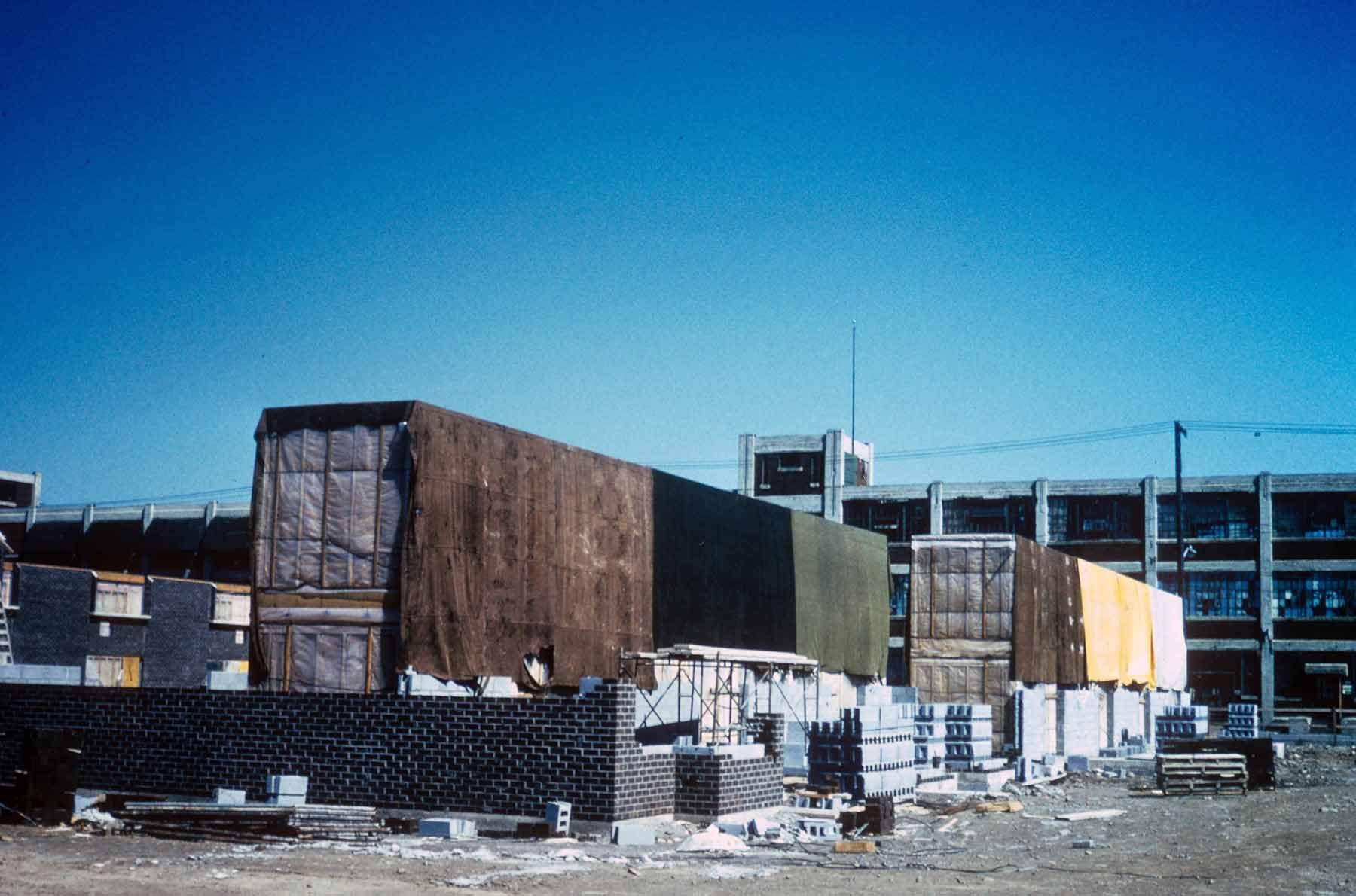
Family and Elderly Affordable Housing for Syracuse, New York
As Director of Design and Research for Housing Corporation of America, a subsidiary of Alcoa Aluminum, and working under the direction of architect Kenneth Triester, AIA, we produced this turnkey project for the Urban Development Corporation of New York.
This project achieved its affordability through the factory production of the “service module.” Which contained the most expensive portions of a living unit, namely the kitchen, bathrooms, air conditioning, hot-water storage, and stairs (if needed). These areas are heavily involved in the mechanical, electrical, and plumbing trades in a factory setting with weather control and 24-hour production possible. The service module, a very dense, expensive, and labor-intensive unit to construct, was shipped to the sites at a lower cost. The remaining portions of the living units (exterior walls, interior partitions, floors, and roofs) were constructed on site using panelized construction systems.
The two-story townhouse buildings were designed for family living units with open space and a recreation area adjacent. The elderly living units were constructed on site using either tilt-up slabs or lift form concrete. The service modules were lifted into place by cranes after being delivered to the site on flatbed trucks from the factory.
Quadraplex Housing
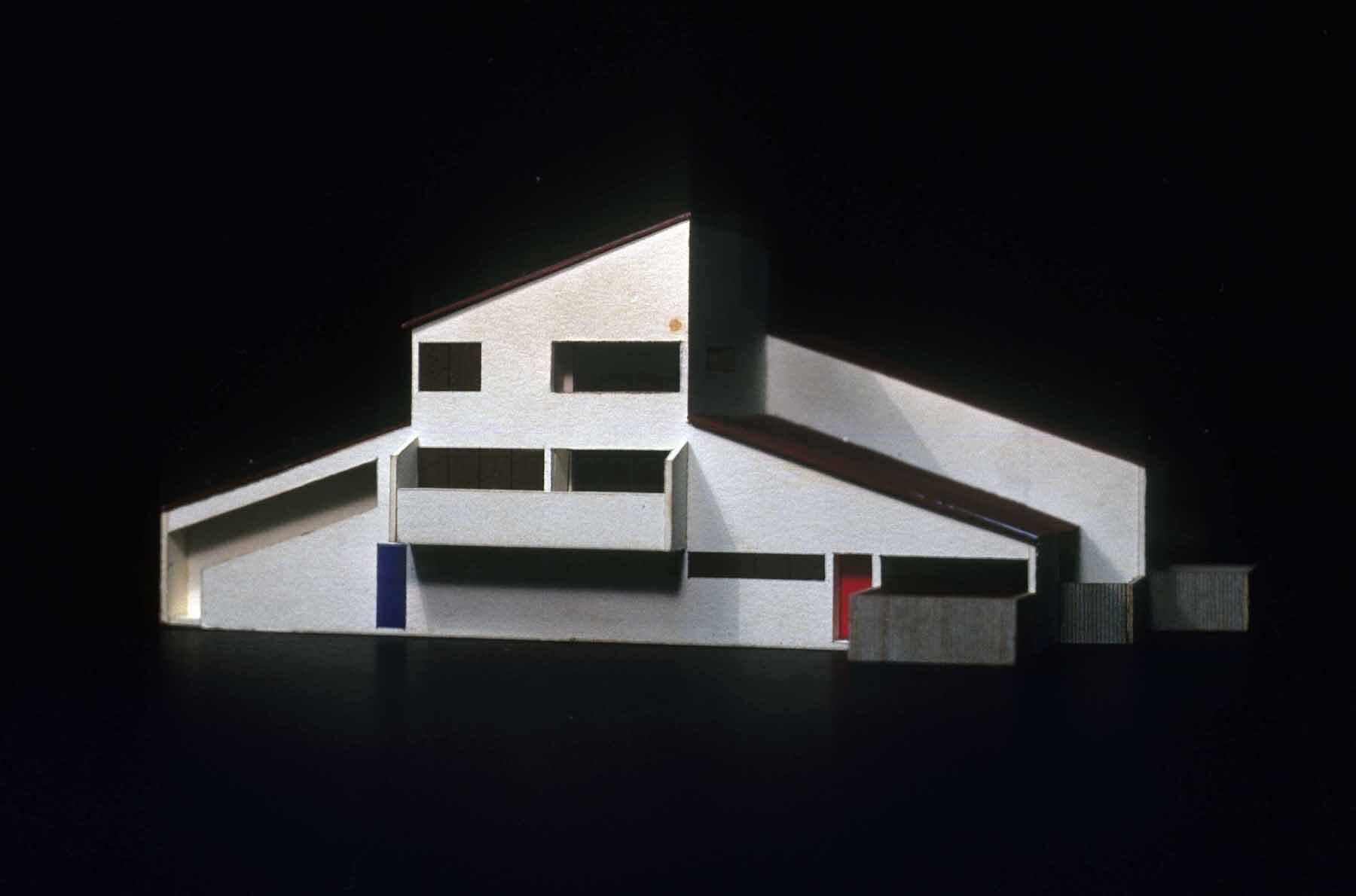
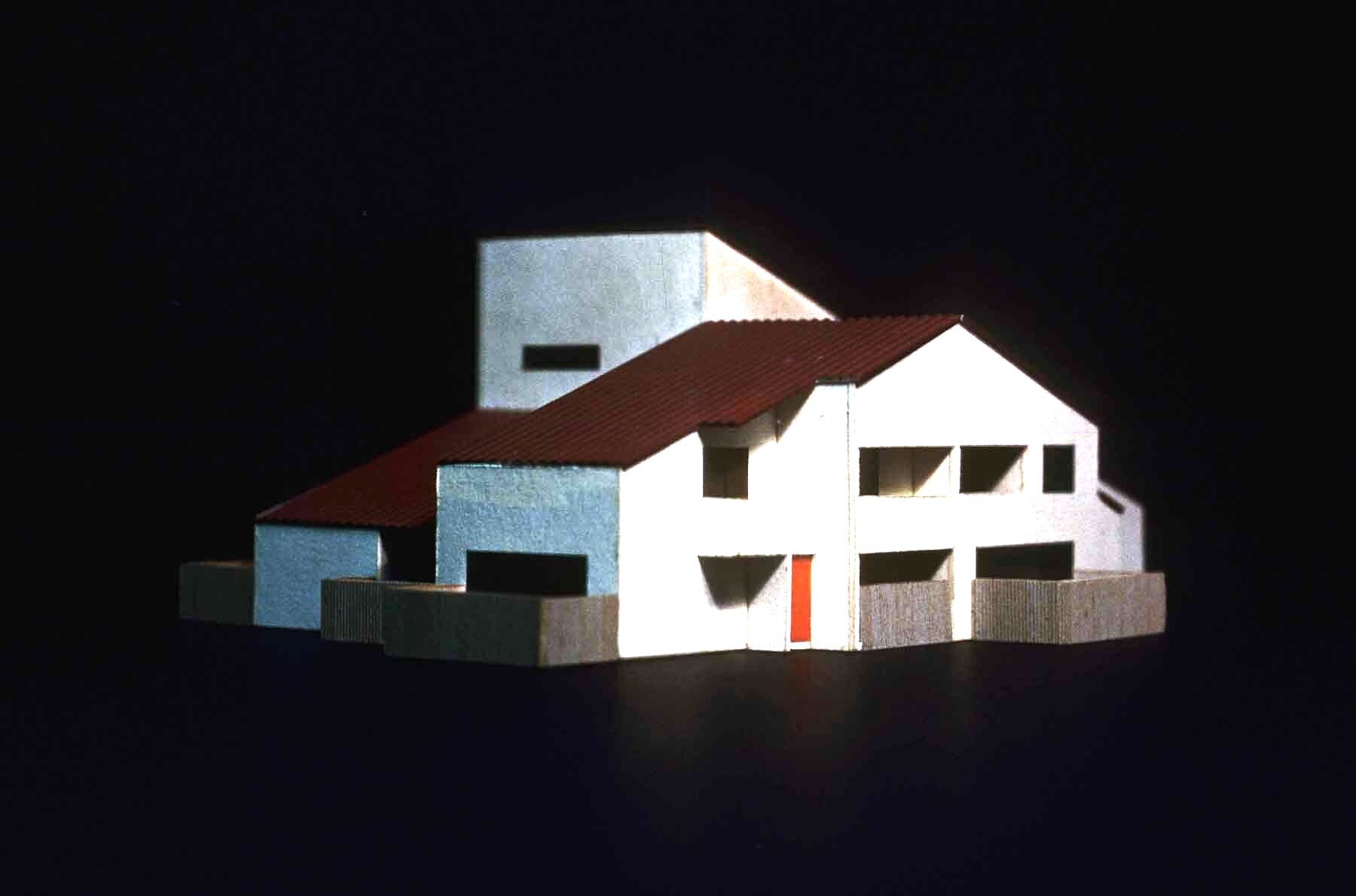
Quadraplex Housing Unit Prototype-Housing Corporation of America
As Director of Design and Research for Housing Corporation of America, a subsidiary of Alcoa Aluminum, and working under the direction of architect Kenneth Triester, AIA, we developed many different approaches to providing affordable housing. One approach examined the efficient use of a limited residential site, allowing four families to live in one building while maintaining a sense of individuality.
Each living unit had a small, private exterior space, a courtyard, or a balcony, plus additional exterior space for a children's playground and an adult outdoor gathering space.
MOD Unit
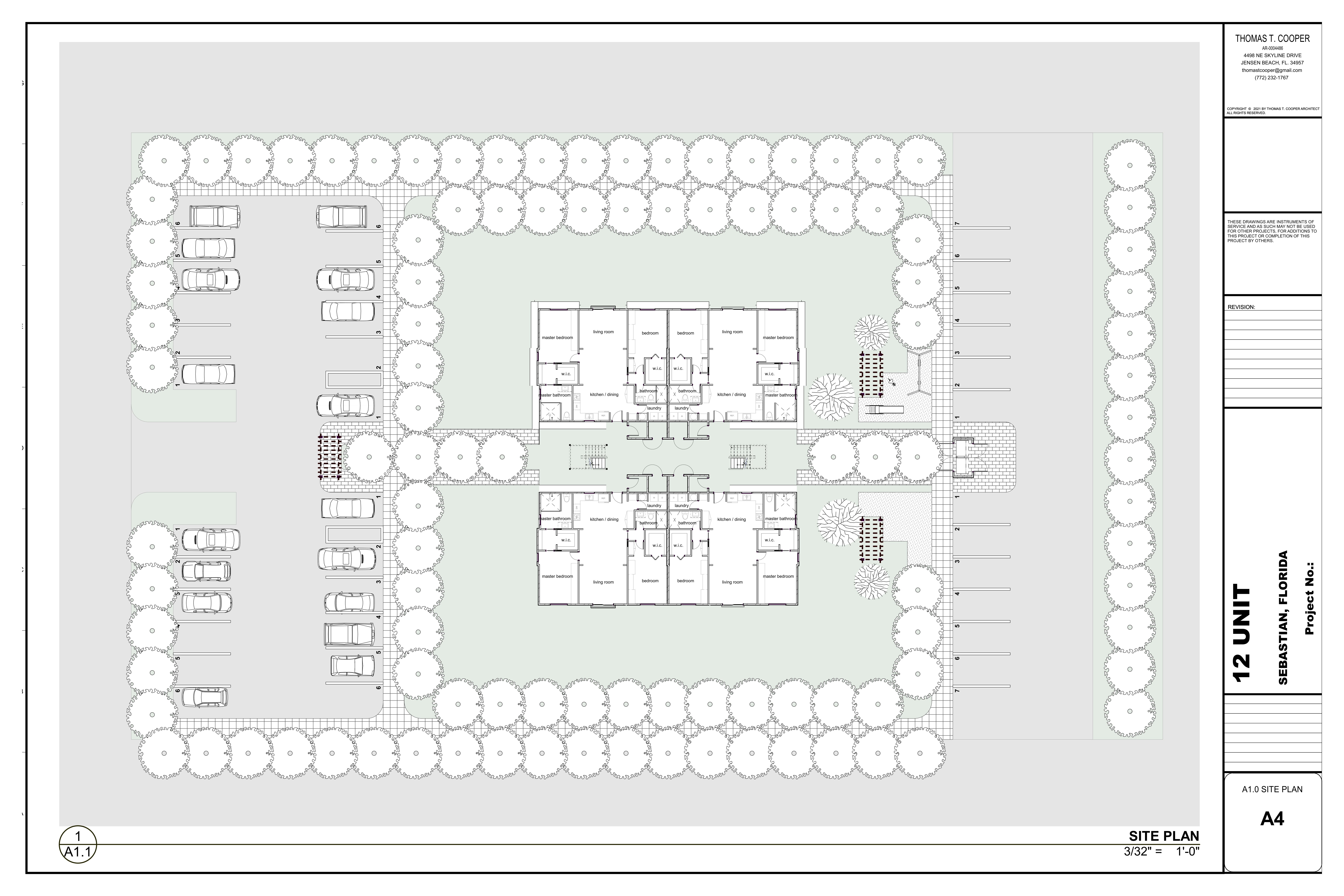
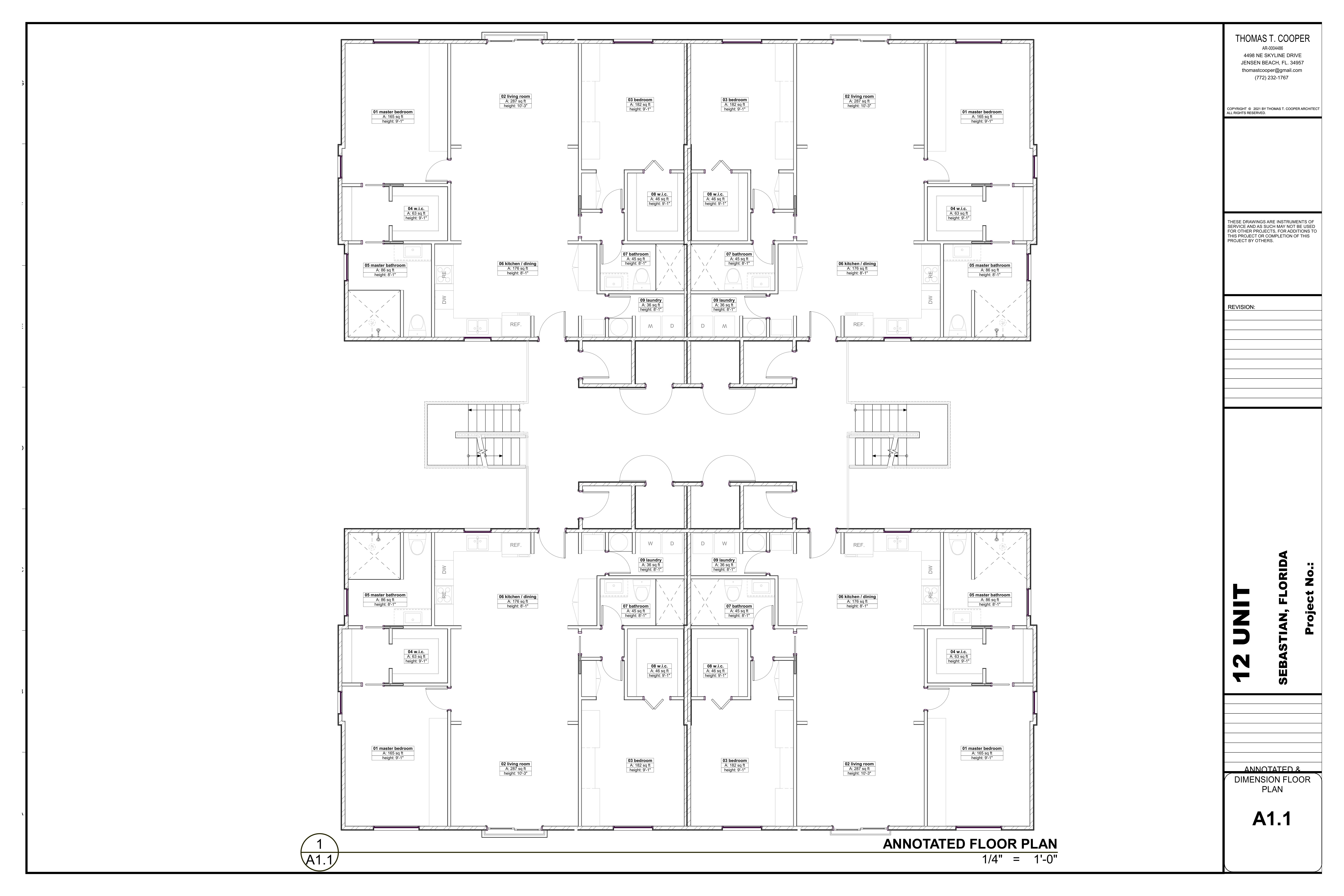
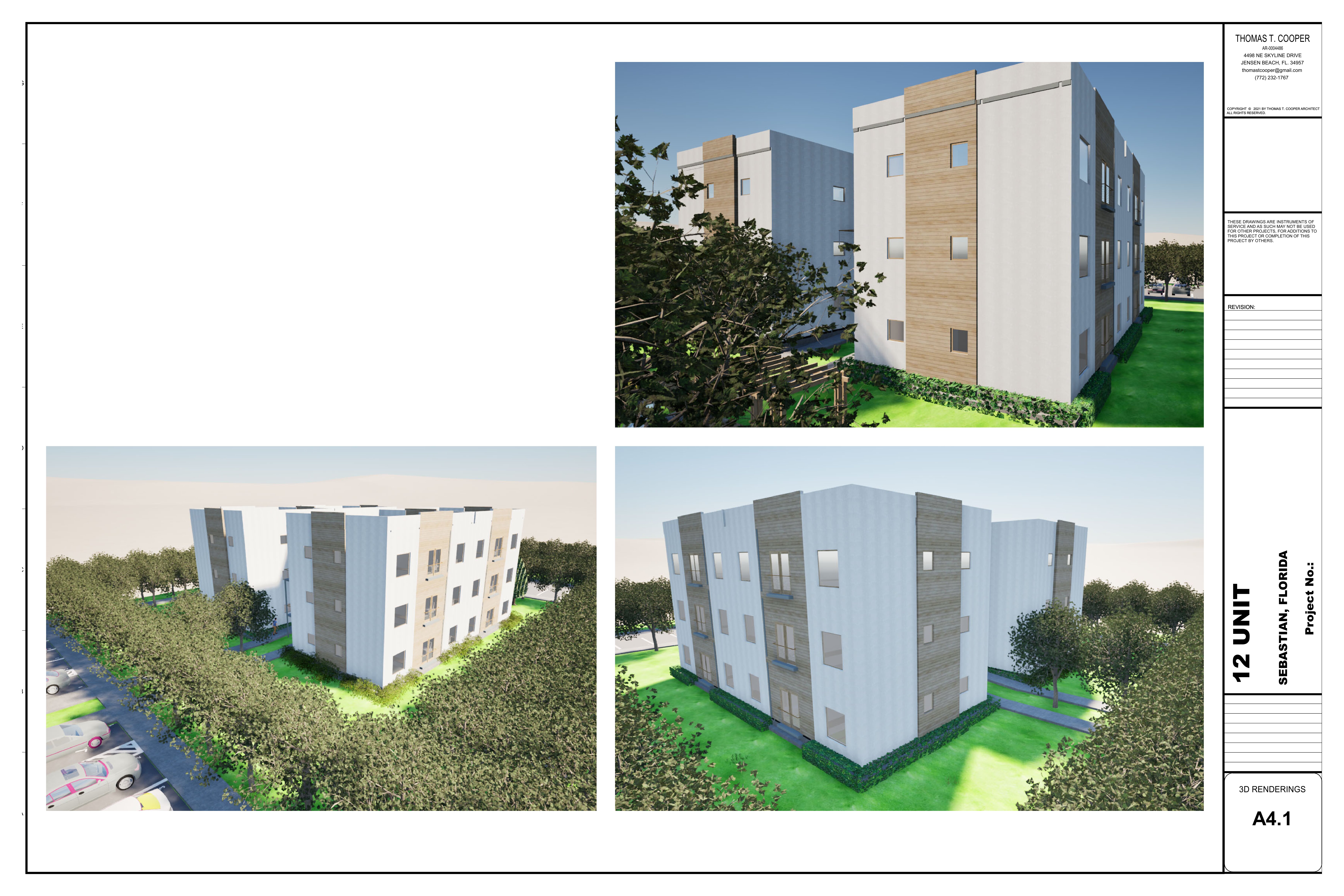
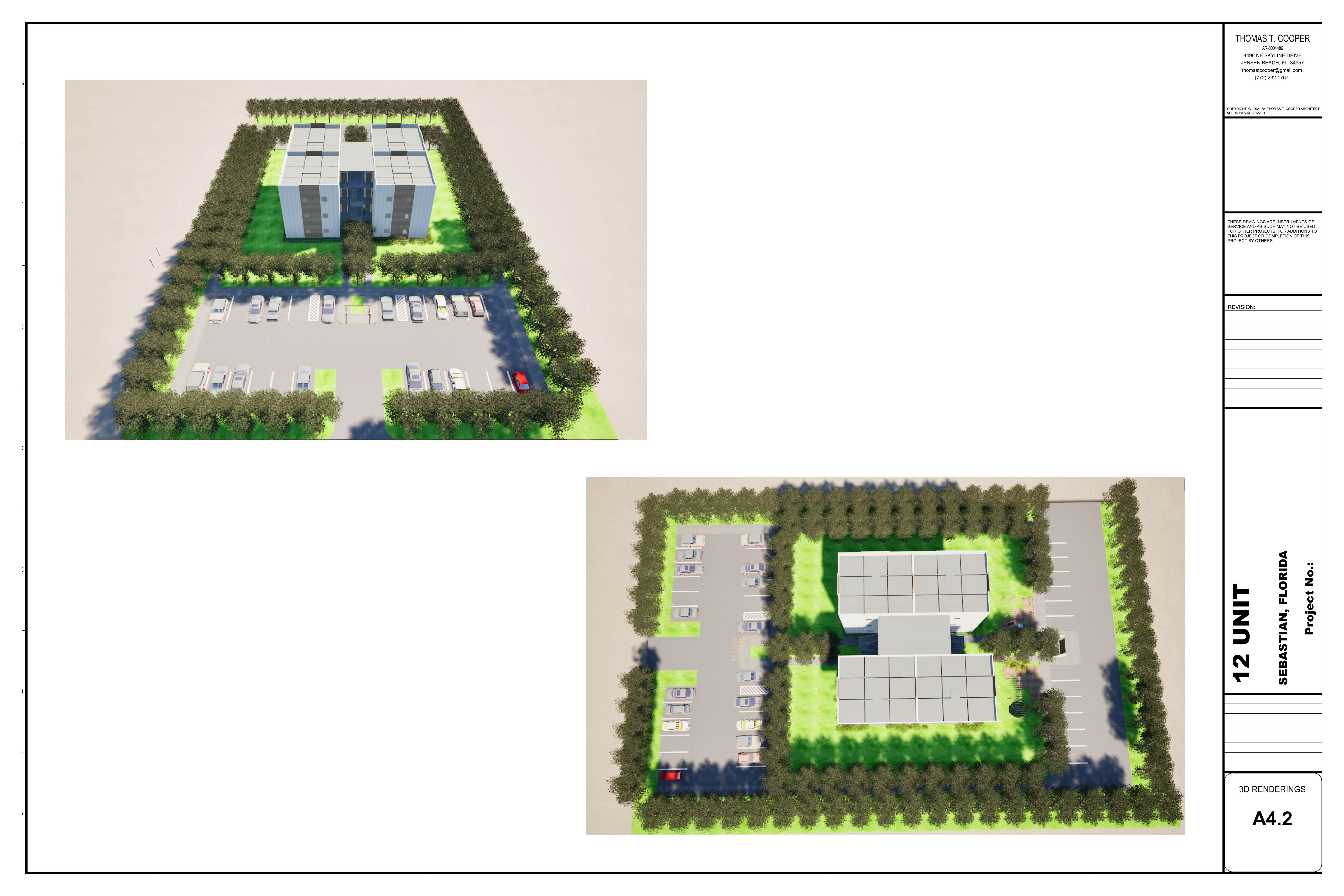
Mod Unit – 12 Family Living Units Produced in Sebastian, Florida
This Mod Living Unit was factory-produced in Sebastian, Florida, primarily of steel construction, and shipped to construction sites on flatbed trucks for erection with cranes and hydraulic lifts.
The basic unit is a two-bedroom unit with approximately 1,200 square feet of air-conditioned living space. The units have a laundry room, two large walk-in closets, a large living and dining space, and two bathrooms.
The units are designed around a central core, which is also factory-produced. This is affordable because it is factory-produced in a controlled environment, with the potential for 24-hour-a-day production. The central core contains utilities, trash storage, and exterior storage for items such as bicycles and other outdoor items.
Additional unit designs include a single unit, duplex, two-story single residence with mother-in-law quarters, and a six-plex apartment building.