
Naranja and South Miami Social Service Building
Governmental
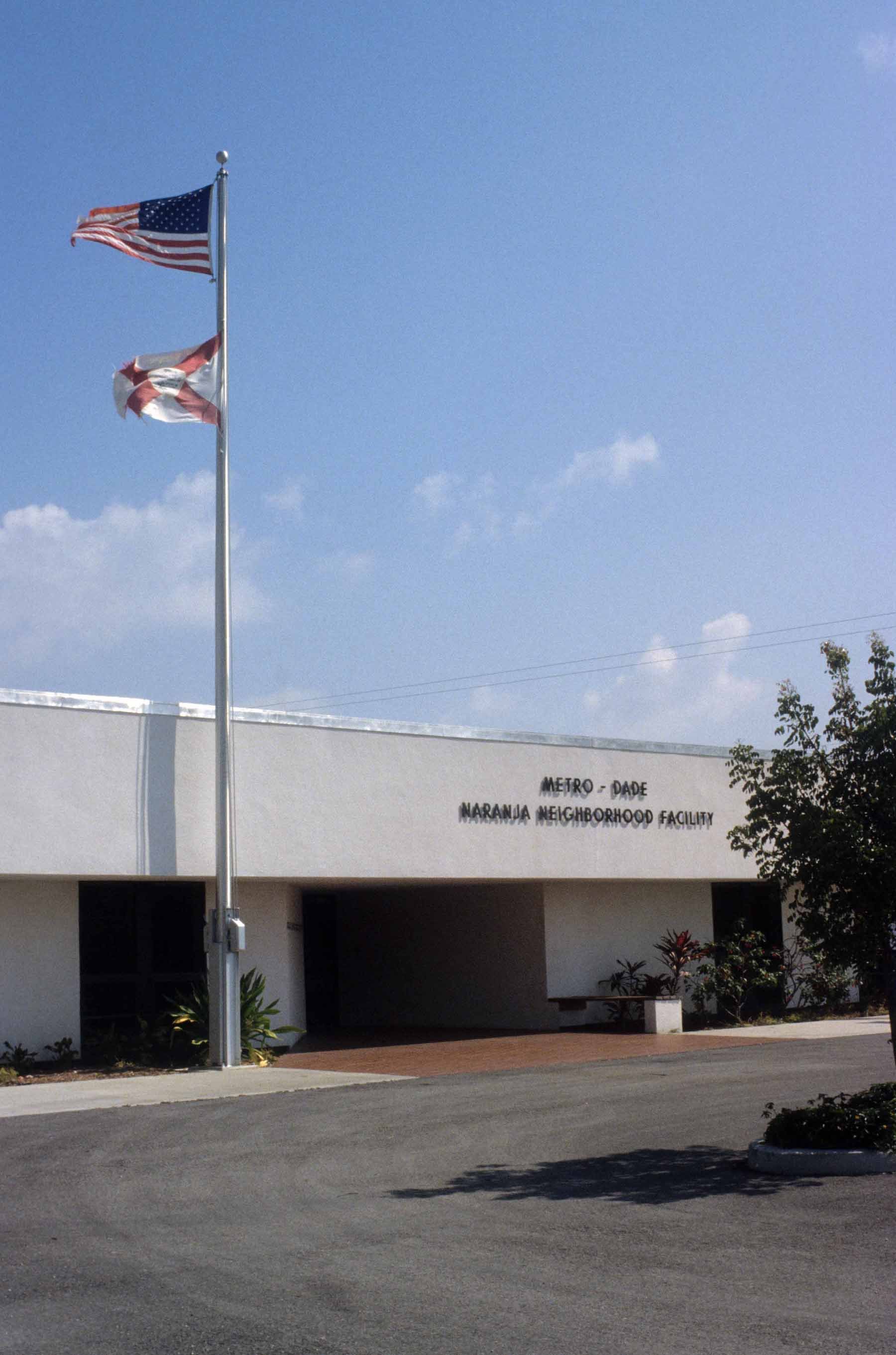
Naranja Neighborhood Facility
The Naranja Neighborhood Facility was designed to help fill the social service needs of the Naranja neighborhood, a lower-income area of South Miami-Dade County.
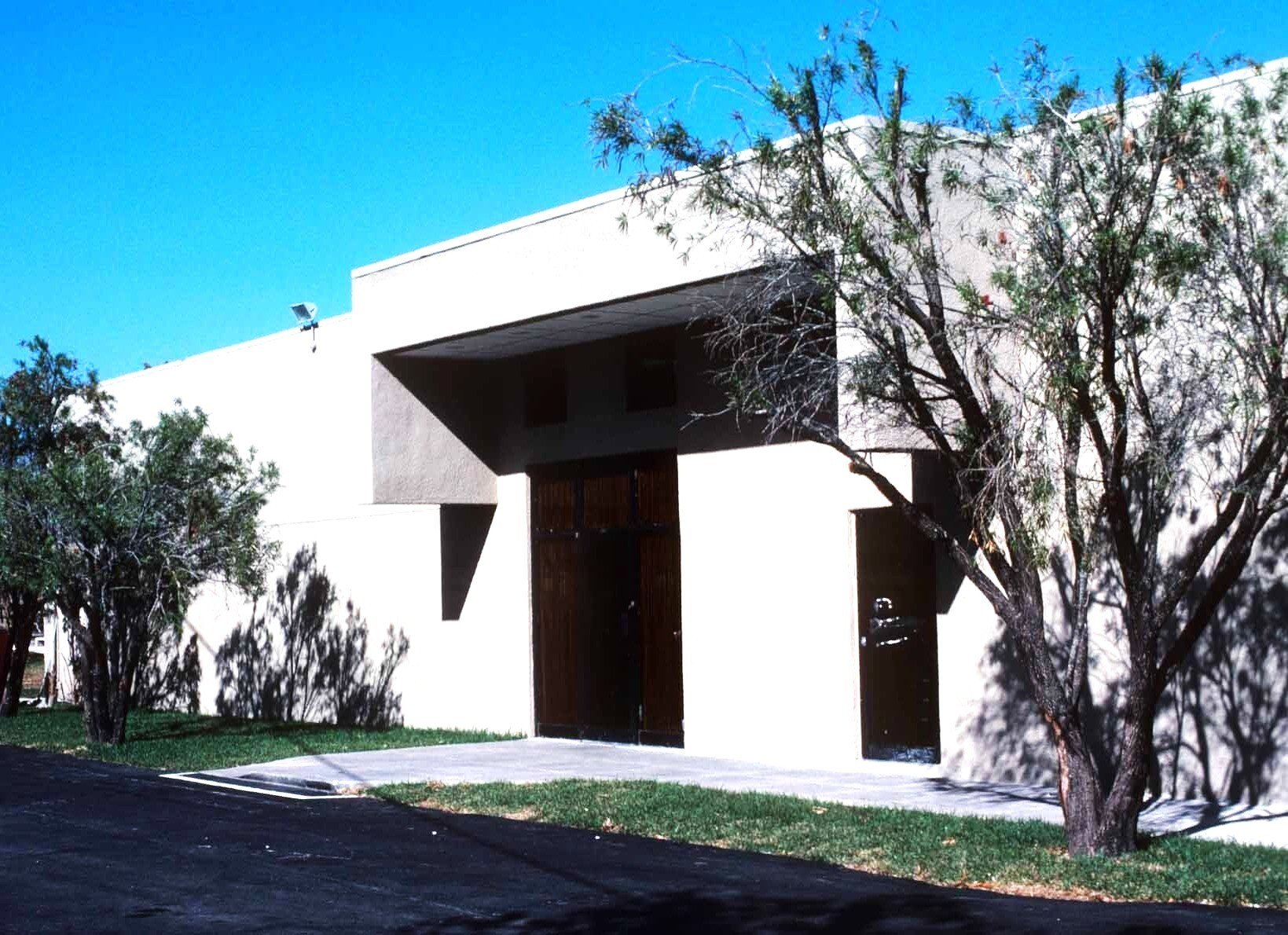
South Miami Social Services Building
The South Miami Social Services Building provides social backup services for a low-income area of South Miami, Florida, a suburb of Miami-Dade County.
Riverview
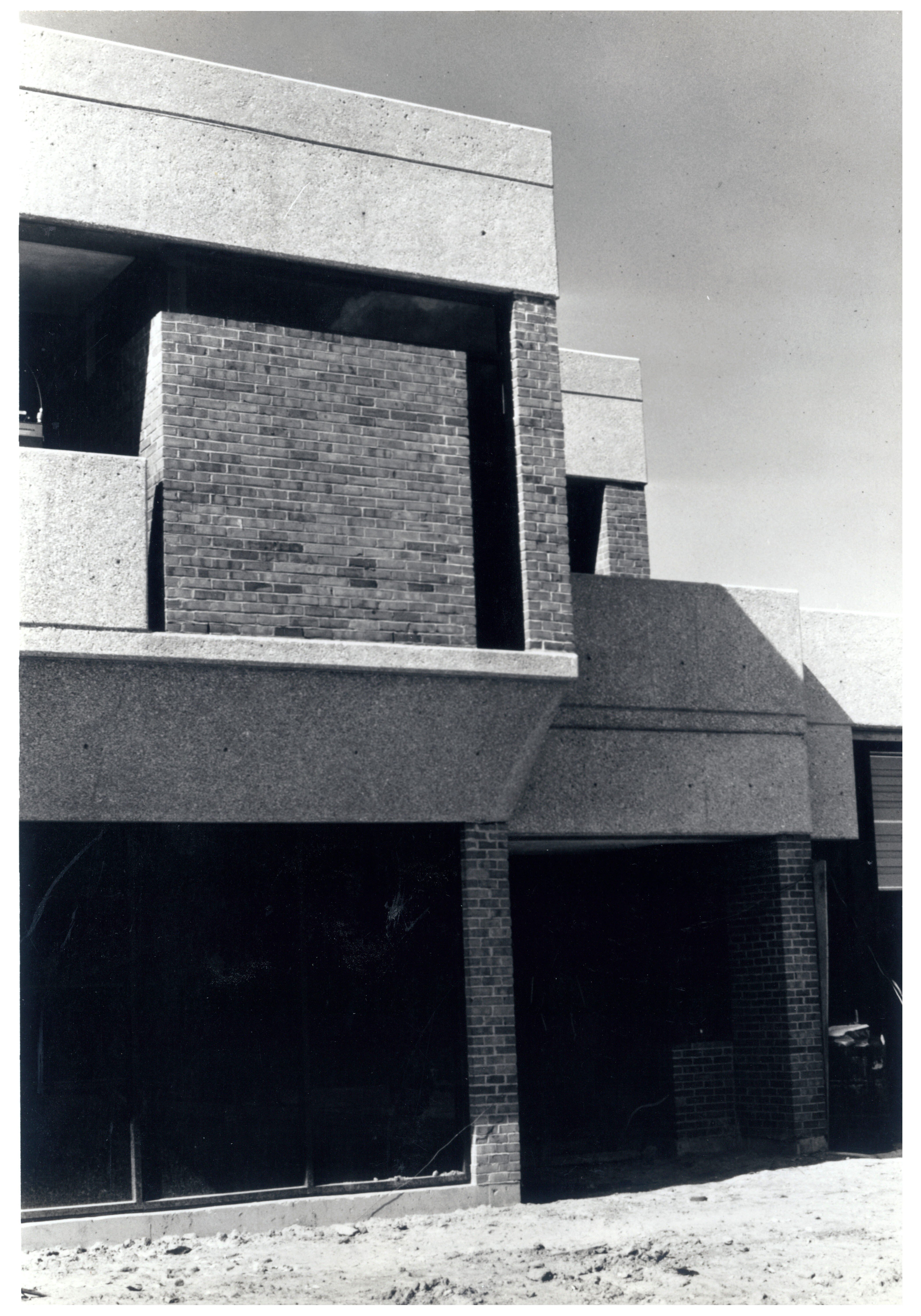
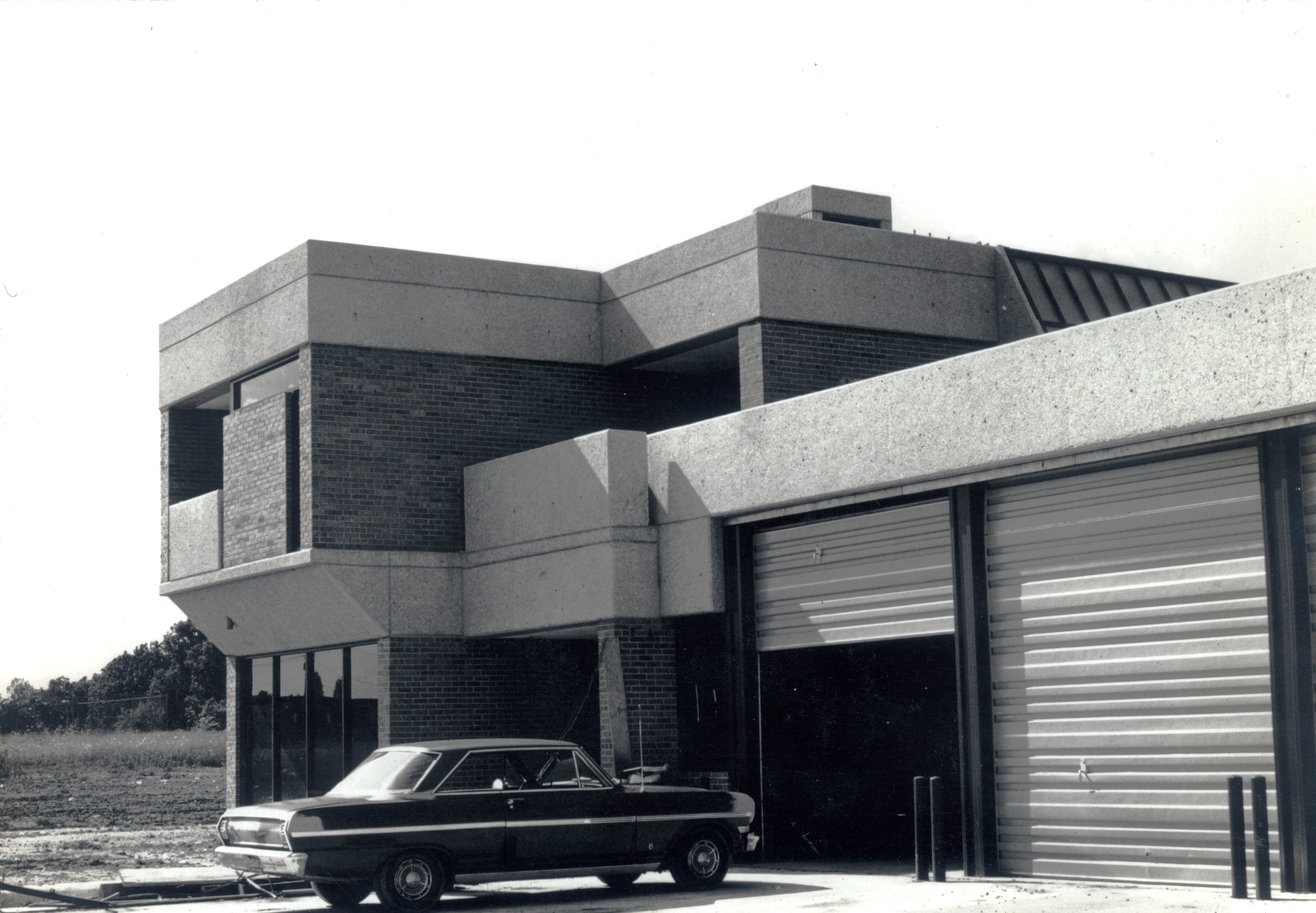
Riverview, Michigan City Hall Complex Design and Fire Station
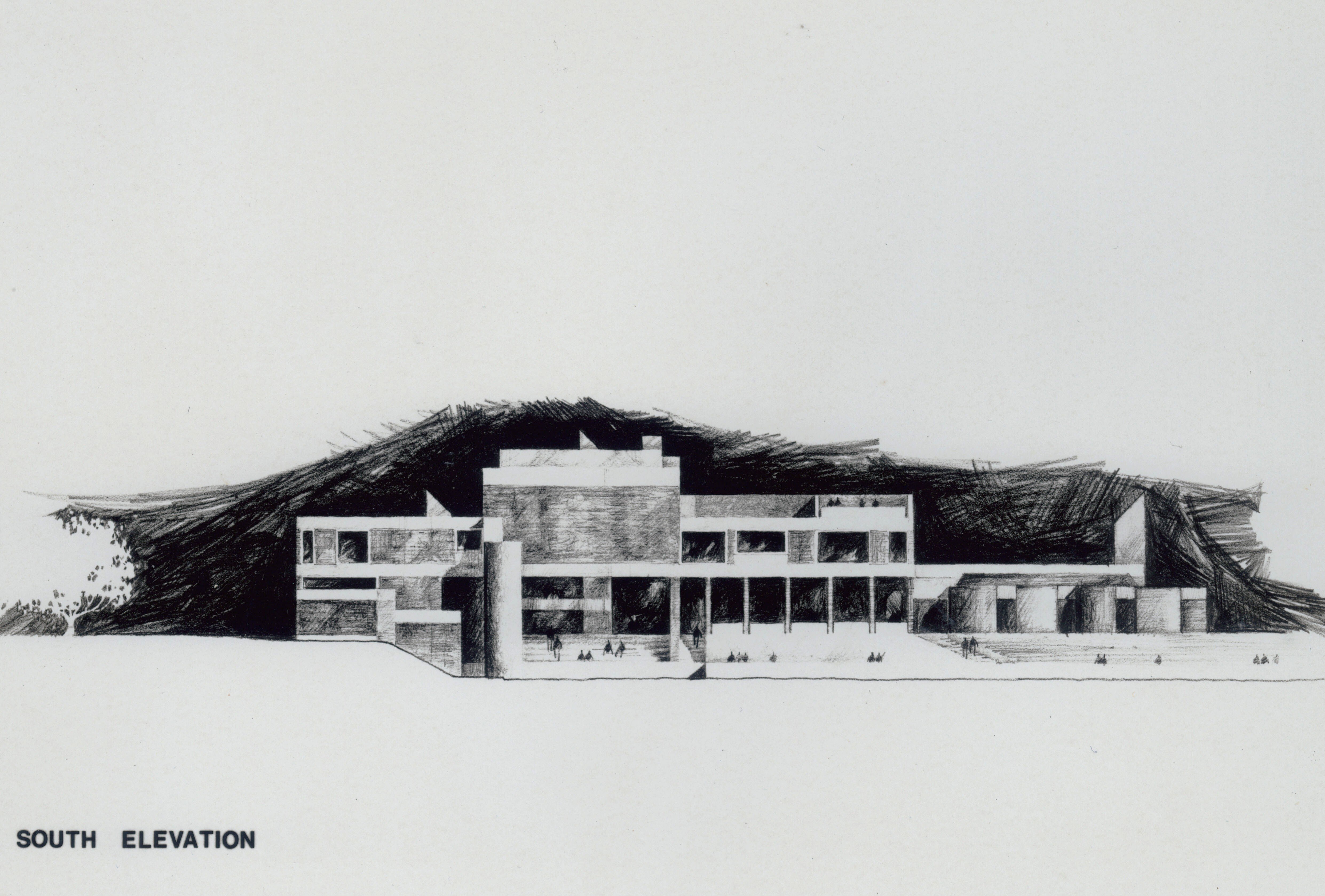
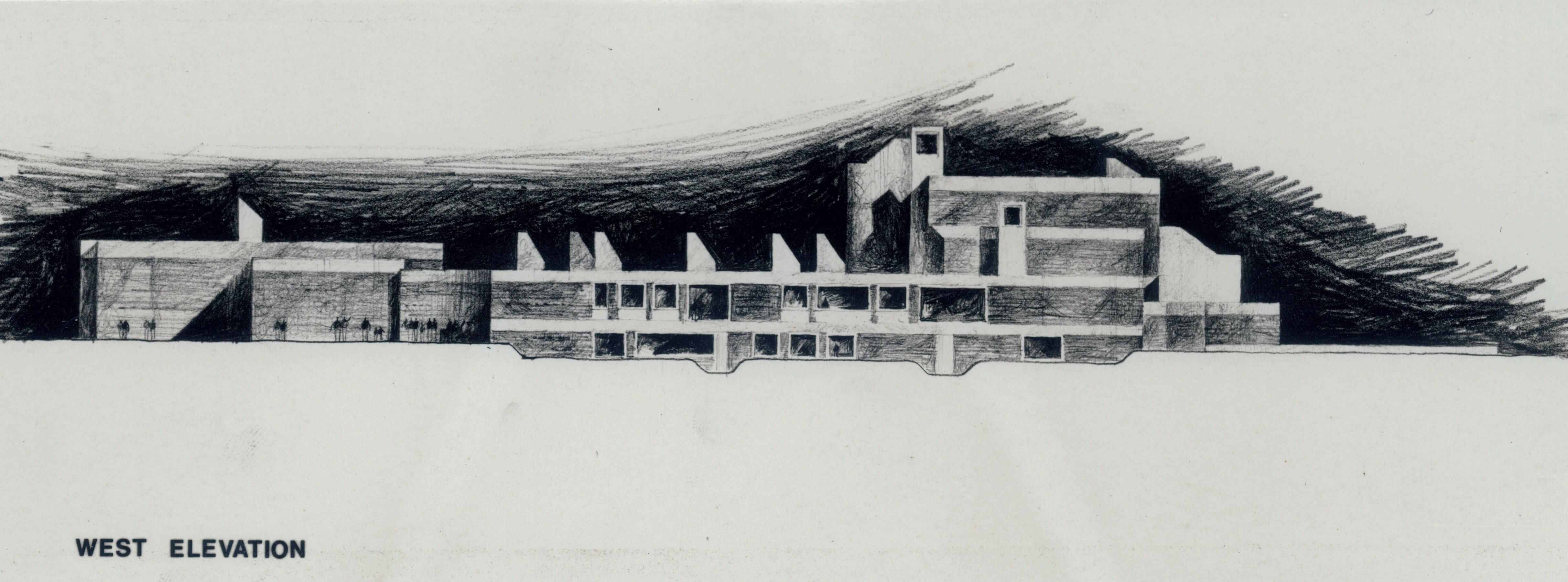
As a Senior Designer with Smith, Hinchman and Grills, a Detroit, Michigan architectural and engineering firm, designed a city hall complex for the town of Riverview, Michigan, located south of Detroit and north of Toledo, Ohio.
The complex included city administrative offices, council chambers, courtrooms, a police station, recreational facilities, and a fire station. After the complex was designed and the construction documents completed, the new city council decided to halt construction except for the fire station, which had already been completed.
Westmoreland Park
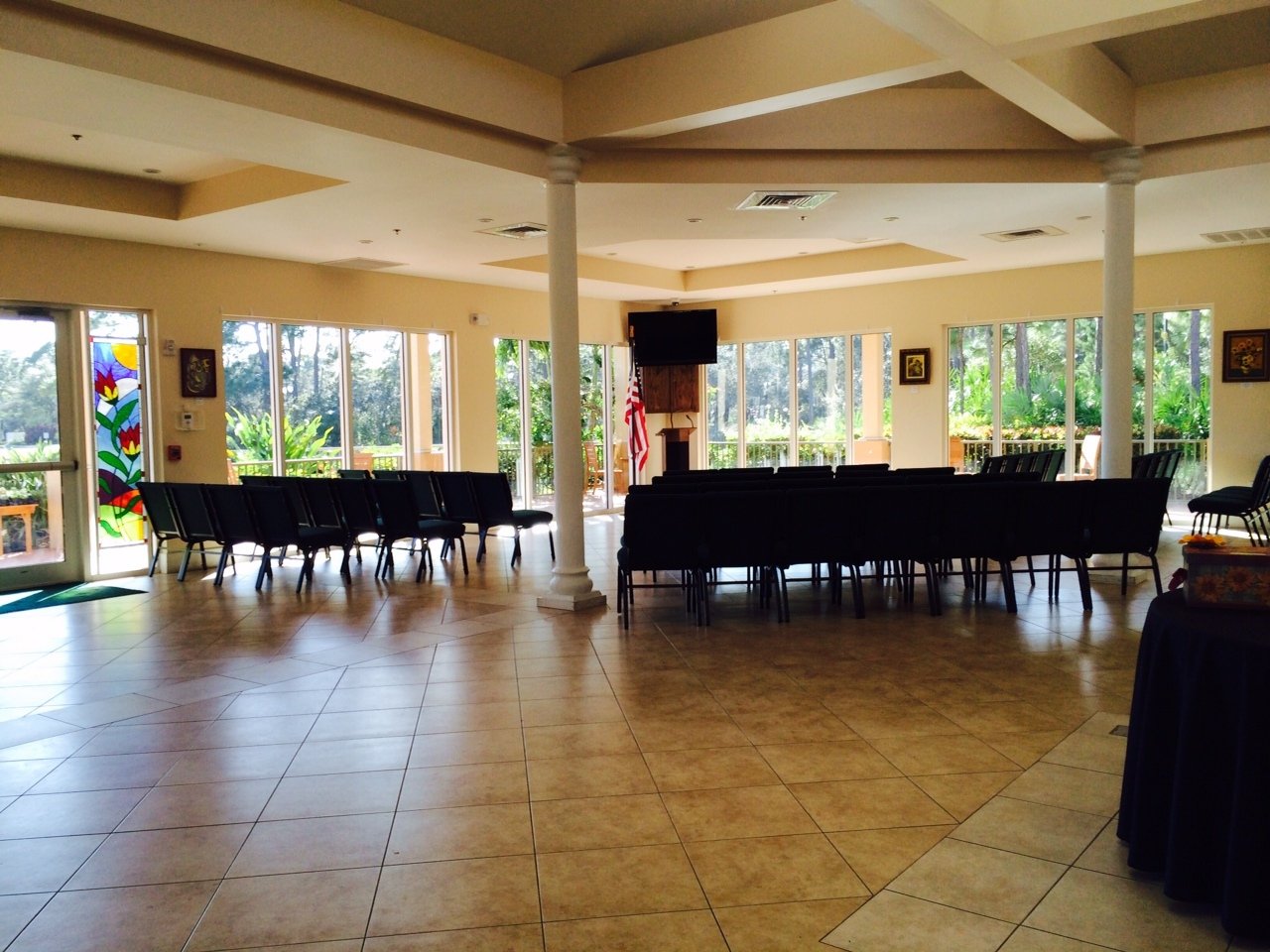
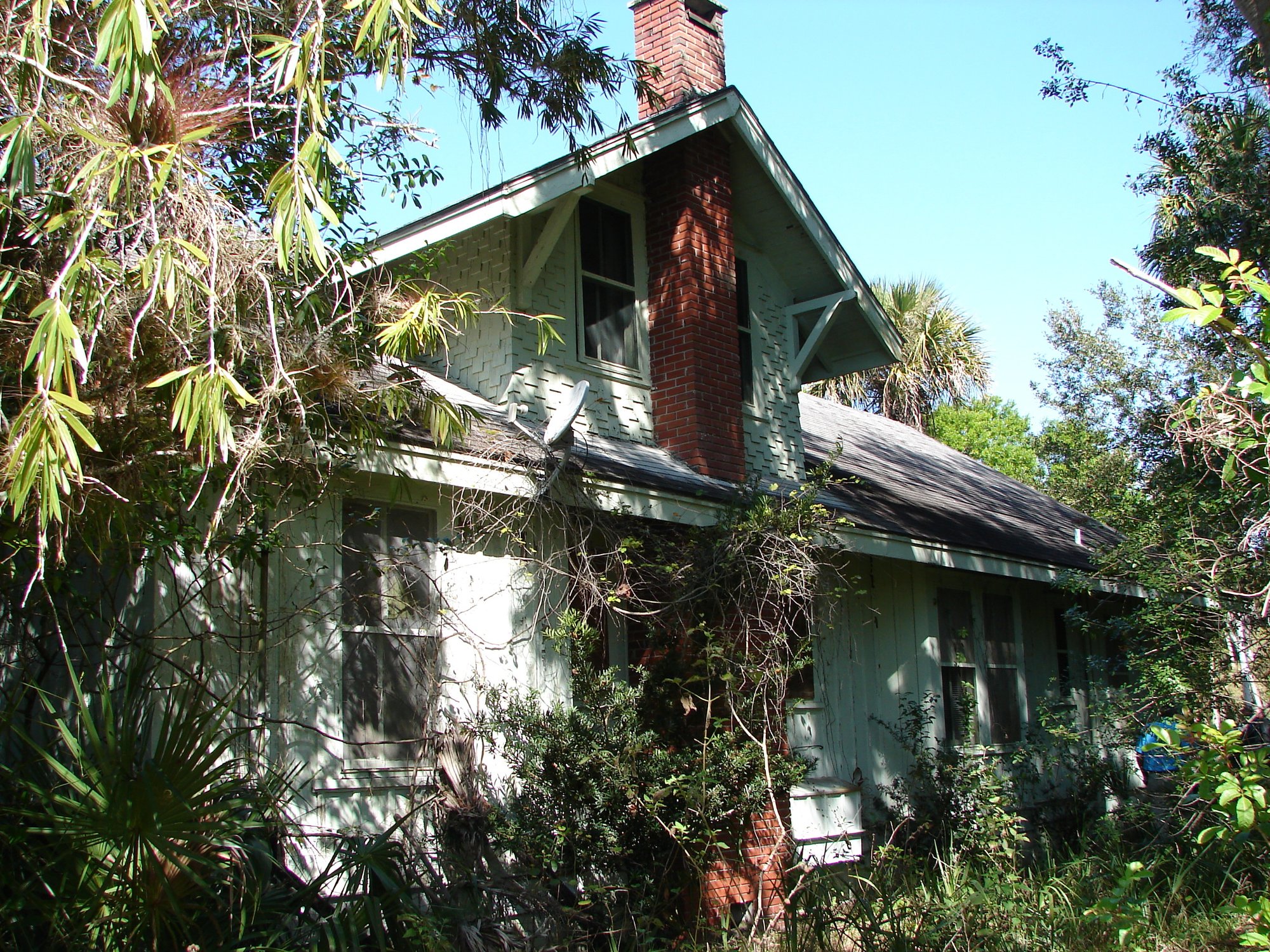
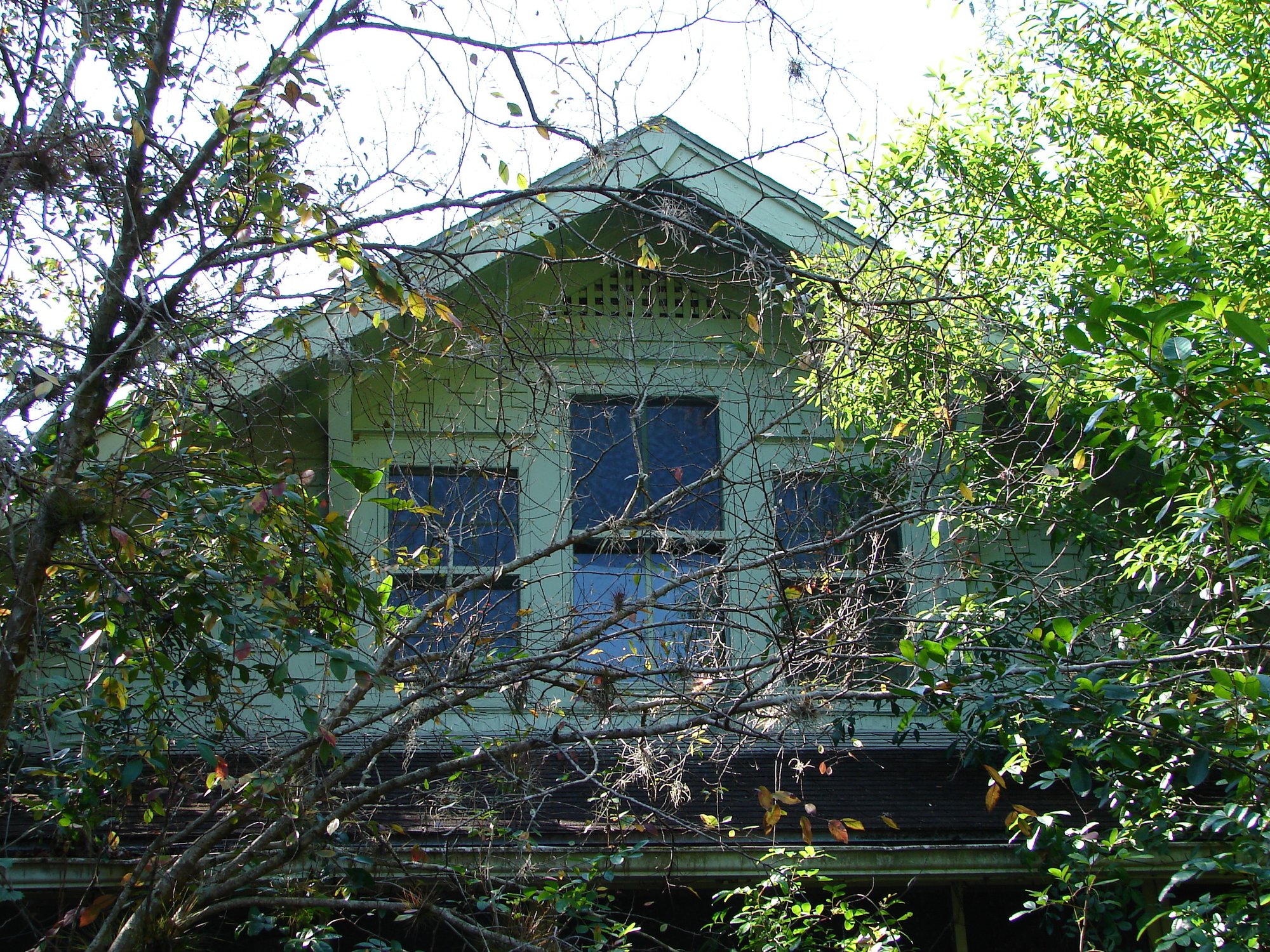
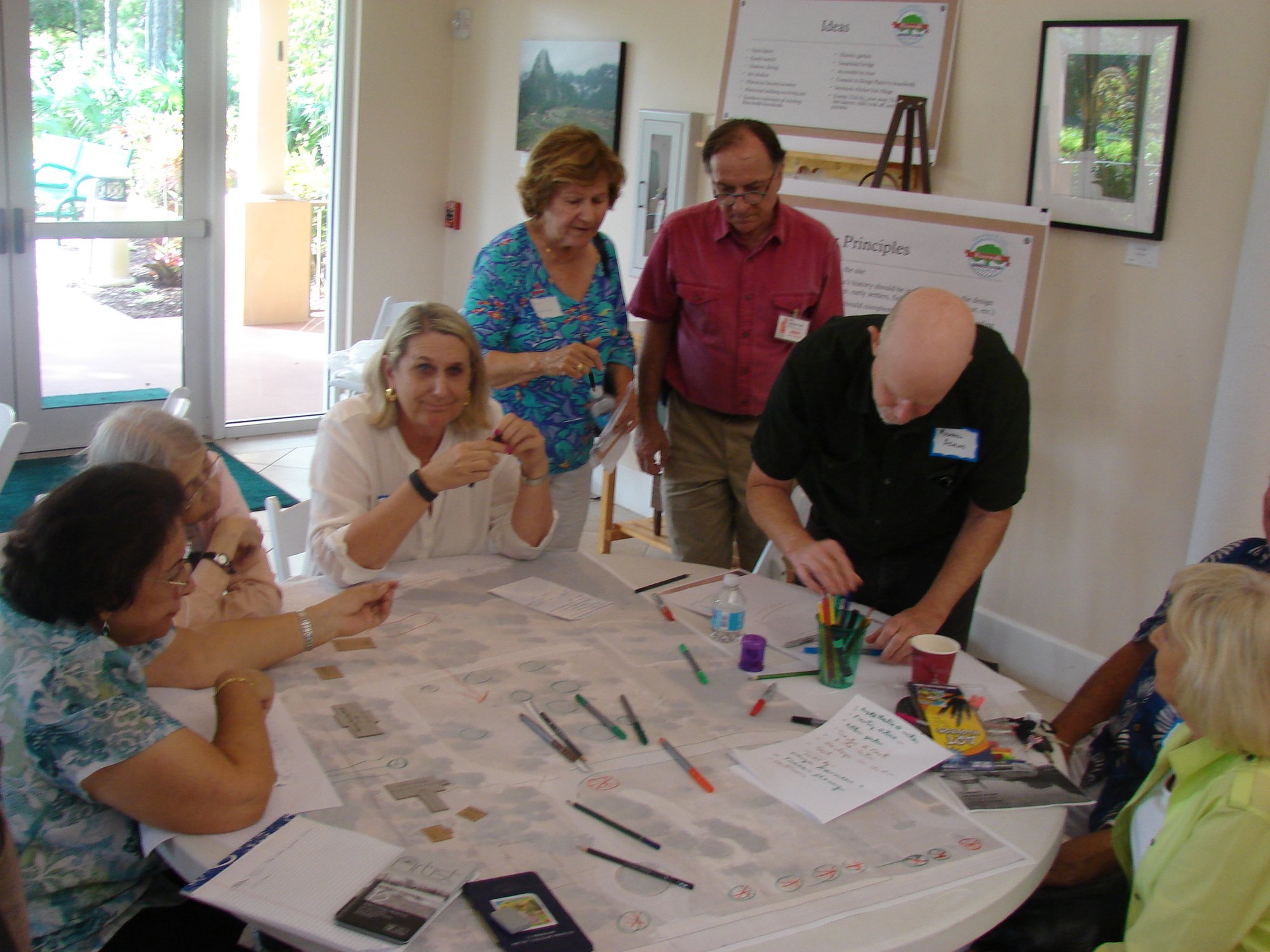
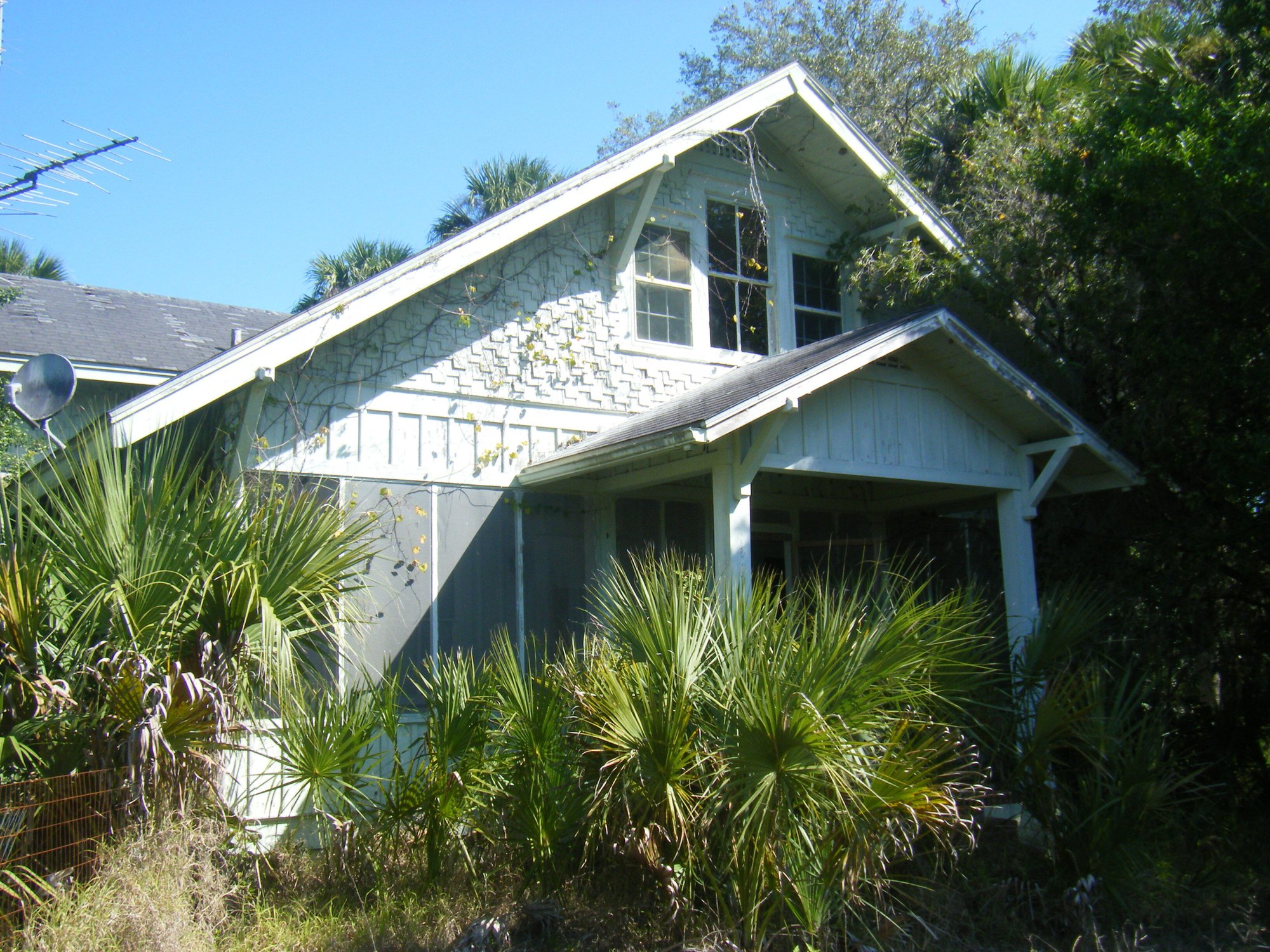
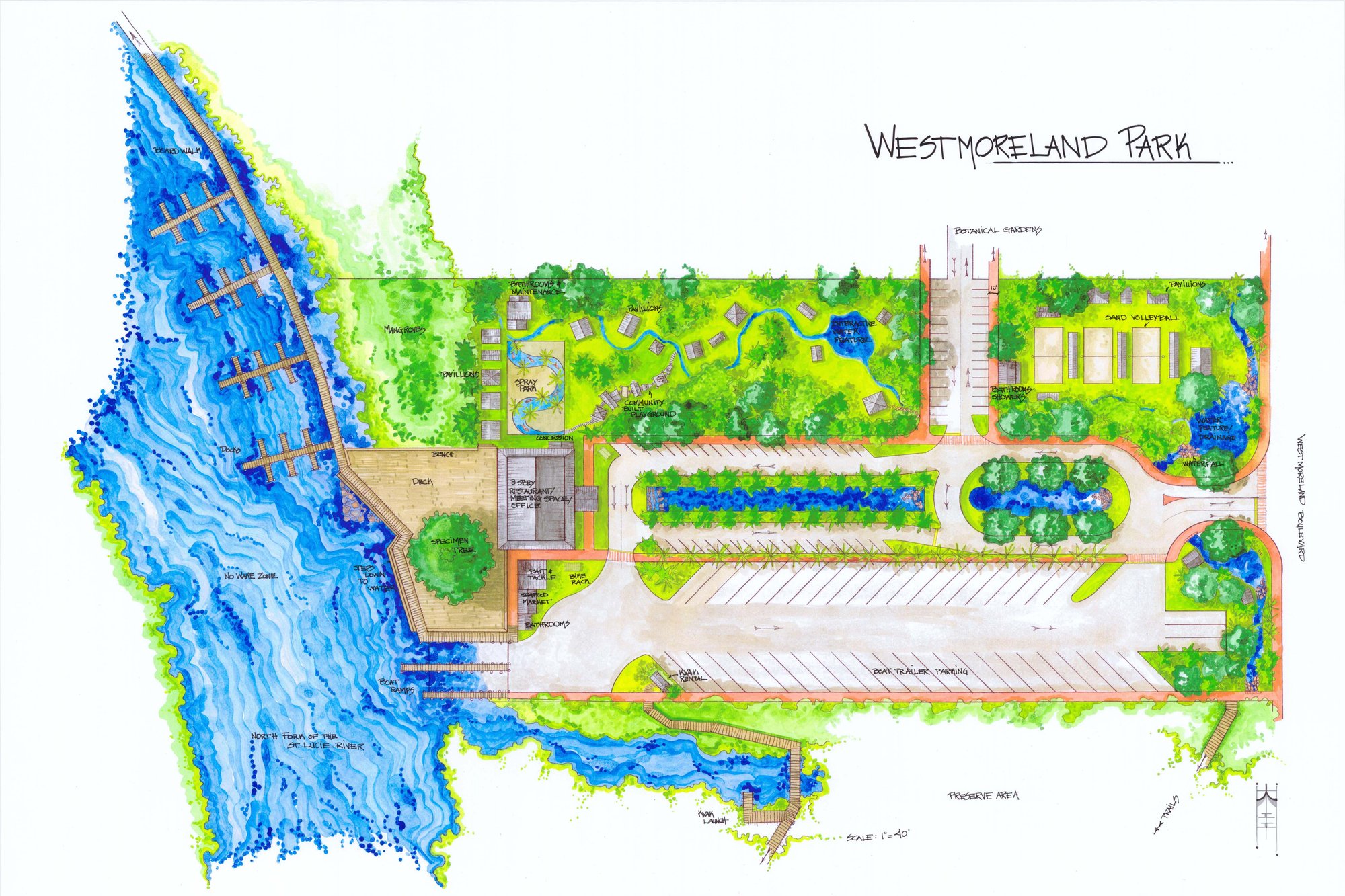
Westmoreland Park in the City of Port St. Lucie, Florida (Unbuilt)
The City of Port St. Lucie asked the American Institute of Architects Treasure Coast (AIATC) to conduct a Charrette (a public, live, hands-on design process that involves all the members of the community). The AIATC provided approximately ten architects, pro bono, to help synthesize the concepts for approximately 40 to 50 citizens on a Saturday.
The resulting design is displayed on the adjacent Master Plan for the existing Westmoreland Park on the North Fork of the St. Lucie River. The design featured docks and boardwalks along the river, a three-story restaurant and meeting rooms, a large open dining deck along the river, and volleyball courts, a kayak launching area and trails, and, most importantly, a recreation of a historic village along the riverfront, like the developments that created the City of Port St. Lucie in the early 1900’s.
Amster and DeSoto
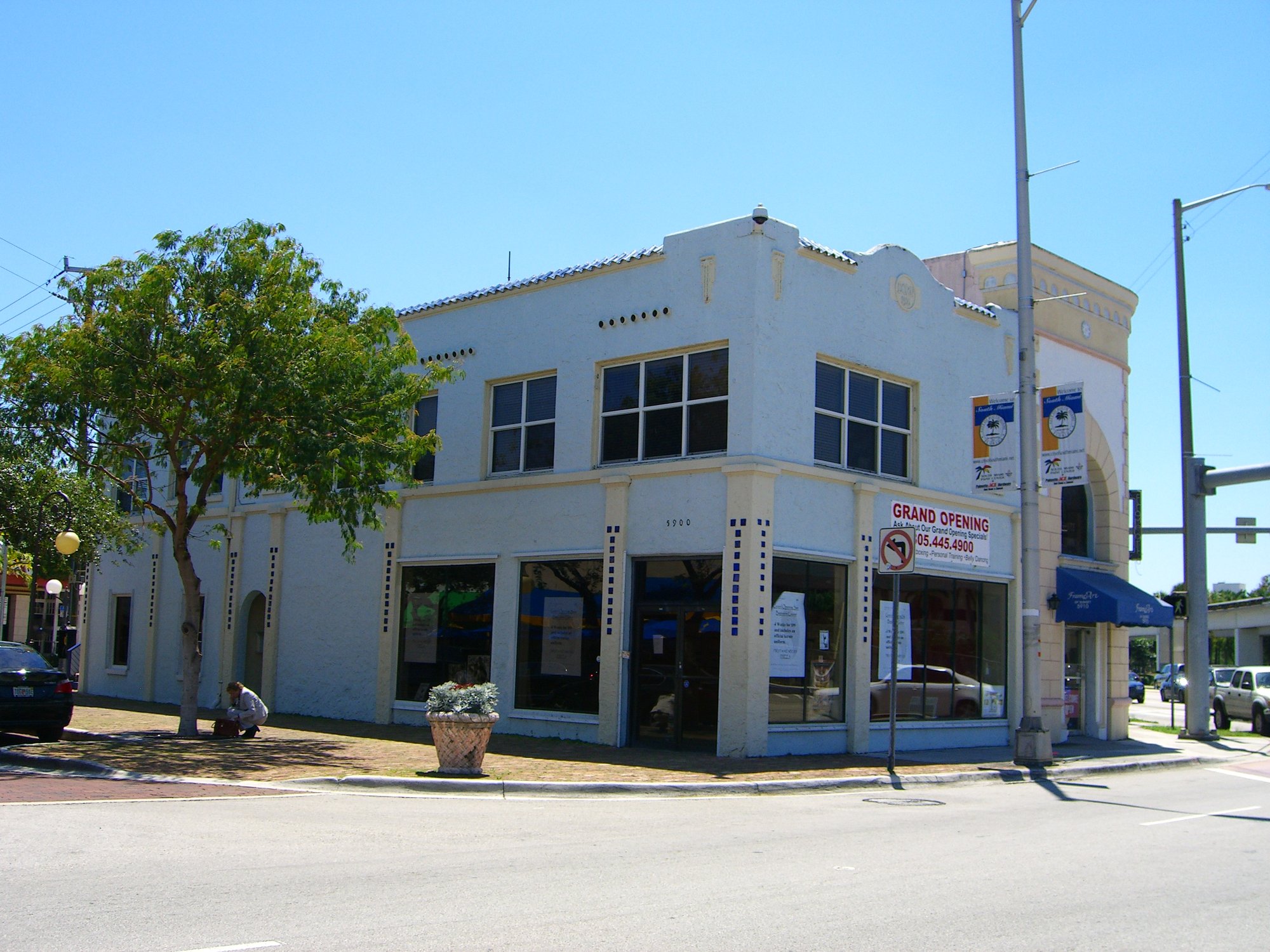
Amster Downtown South Miami
Harvey Amster, in the 1990’s, owned a block of commercial buildings originally built in the early 1900’s and that formed the heart of the small, developing town of South Miami. The Amster block was located on the main road from Miami to points south, which was paralleled by the Florida East Coast Railroad tracks. The train station for the area was directly across the tracks from a small cluster of buildings, one of which was the post office. That building is the corner building that Chael, Cooper, and Associates refurbished and renovated, installing hurricane-impact windows to maintain the scale and character of the original historic structure.
DeSoto Fountain
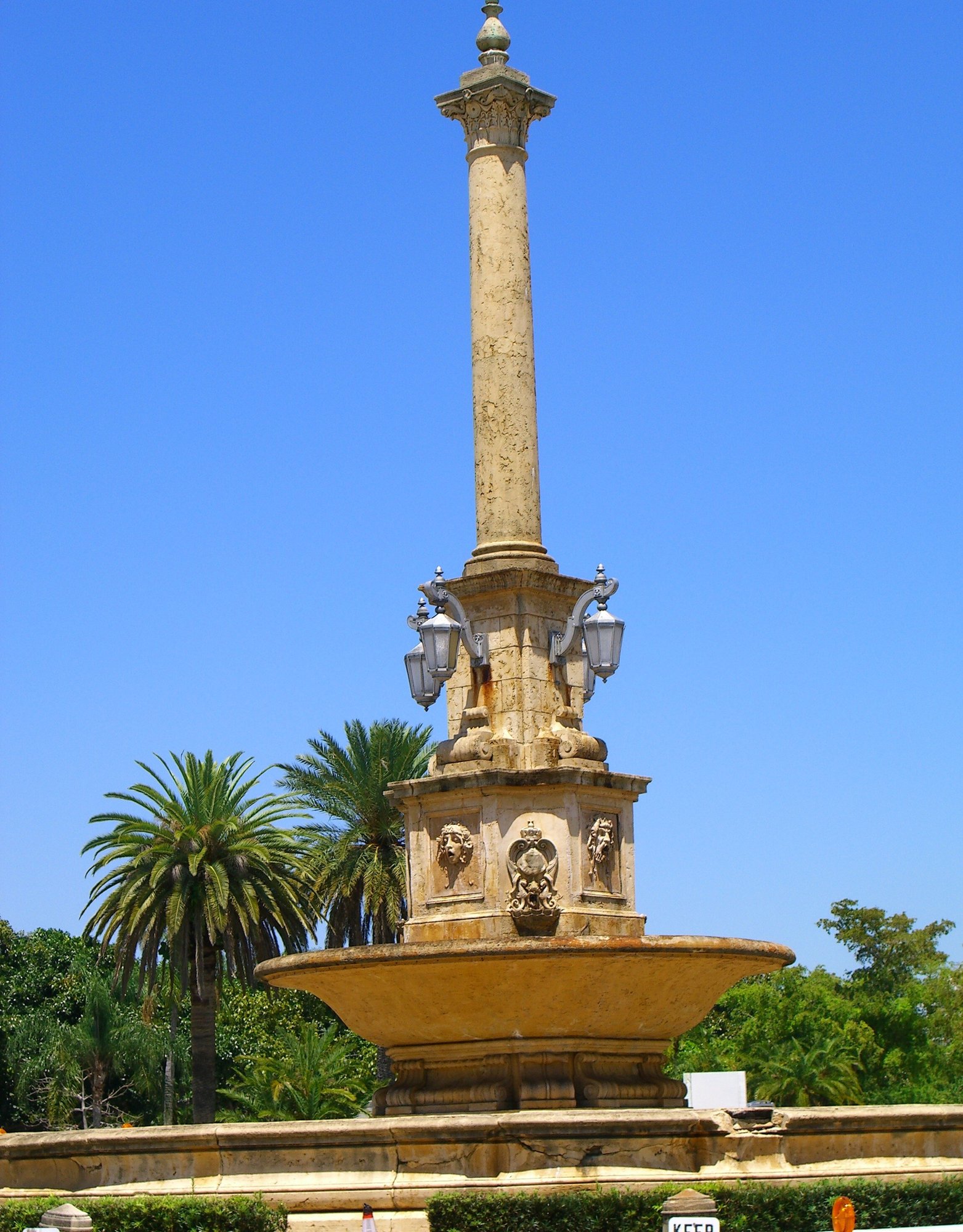
Chael, Cooper and Associates was commissioned to provide Record Drawings of DeSoto Fountain in Coral Gables, Florida. The fountain was built in 1925 as part of George Merrick's original design for Coral Gables. It is a Neobaroque style of French architecture. The fountain anchors a traffic circle that connects the streets of Seville, Granada, and DeSoto.
Fort Dallas Barracks 1849
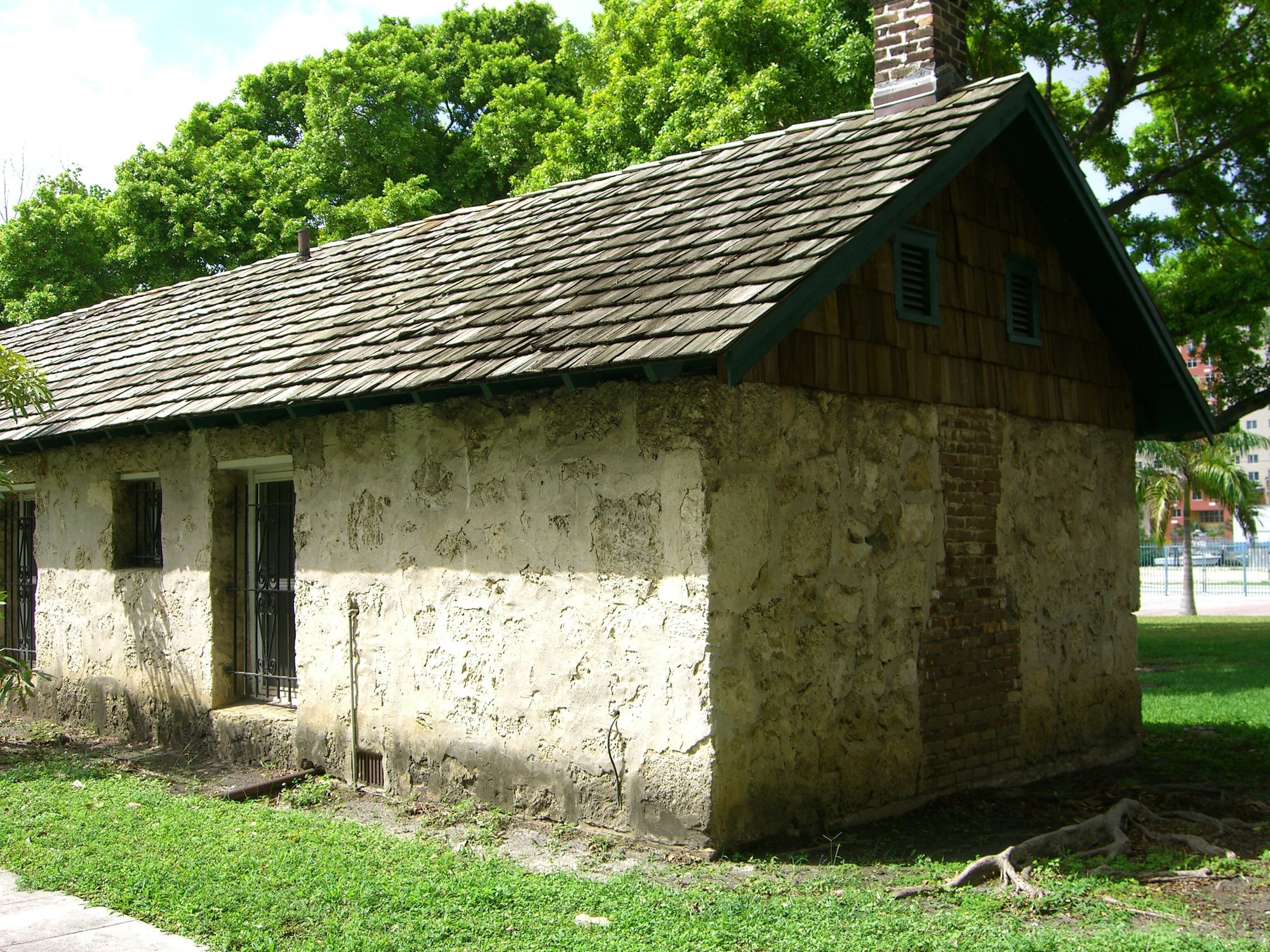
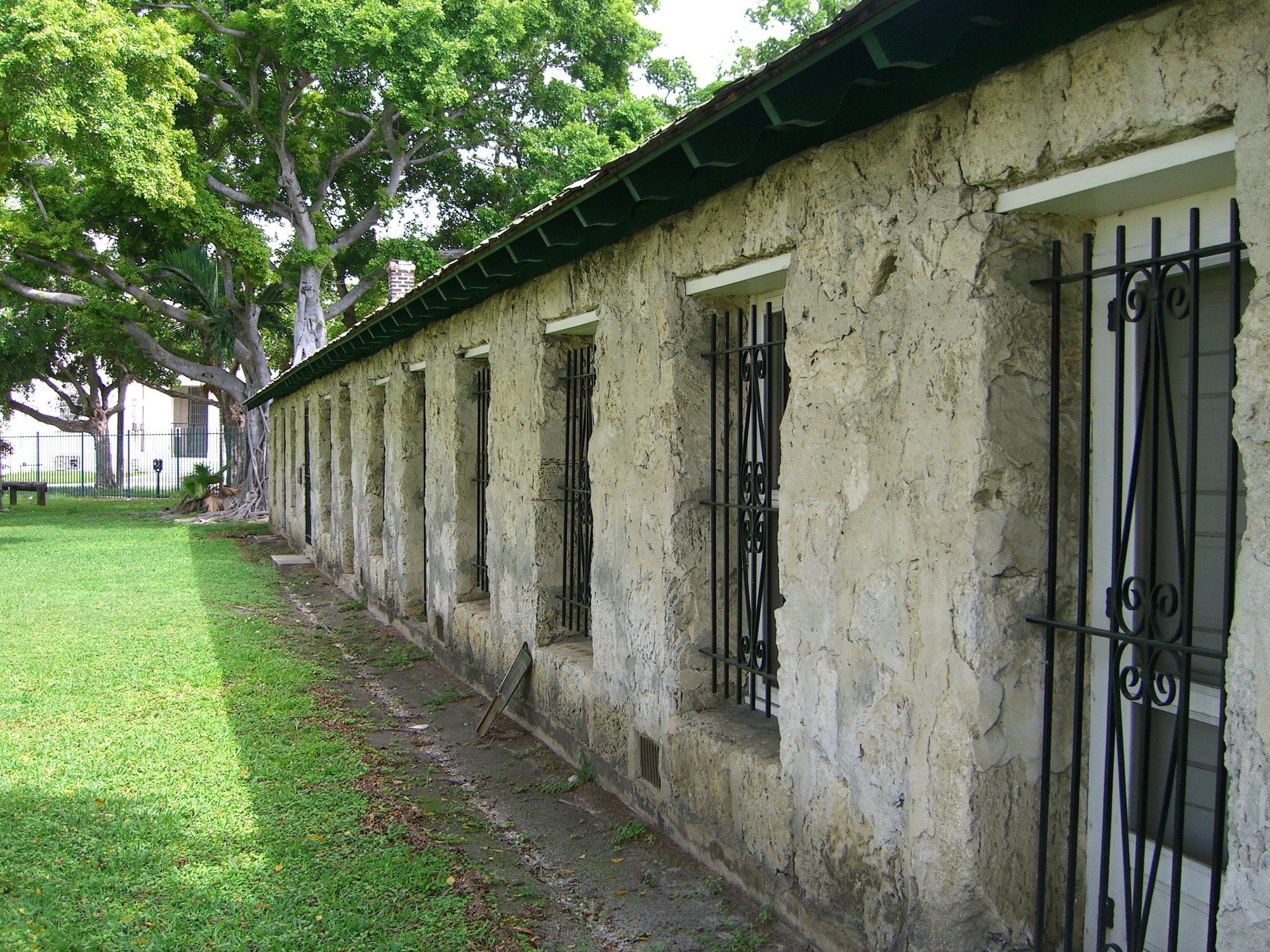
Fort Dallas Barracks Historic Preservation
In 1849, William English built slave quarters on his plantation on the Miami River. It was later converted to barracks for the U.S. Army, with the site being renamed Fort Dallas as part of the Seminole Indian Wars.
In the mid 1970’s, the architectural and engineering firm of Cooper, Knezevich, Betzhold was the first firm awarded a contract by Miami-Dade County to perform a 40 Year inspection of a public building in Miami-Dade County.
The 40 Year inspection evaluated the structural integrity and electrical code compliance with the South Florida Building Code, which was later changed to the Florida Building Code.
San Carlos
San Carlos Institute
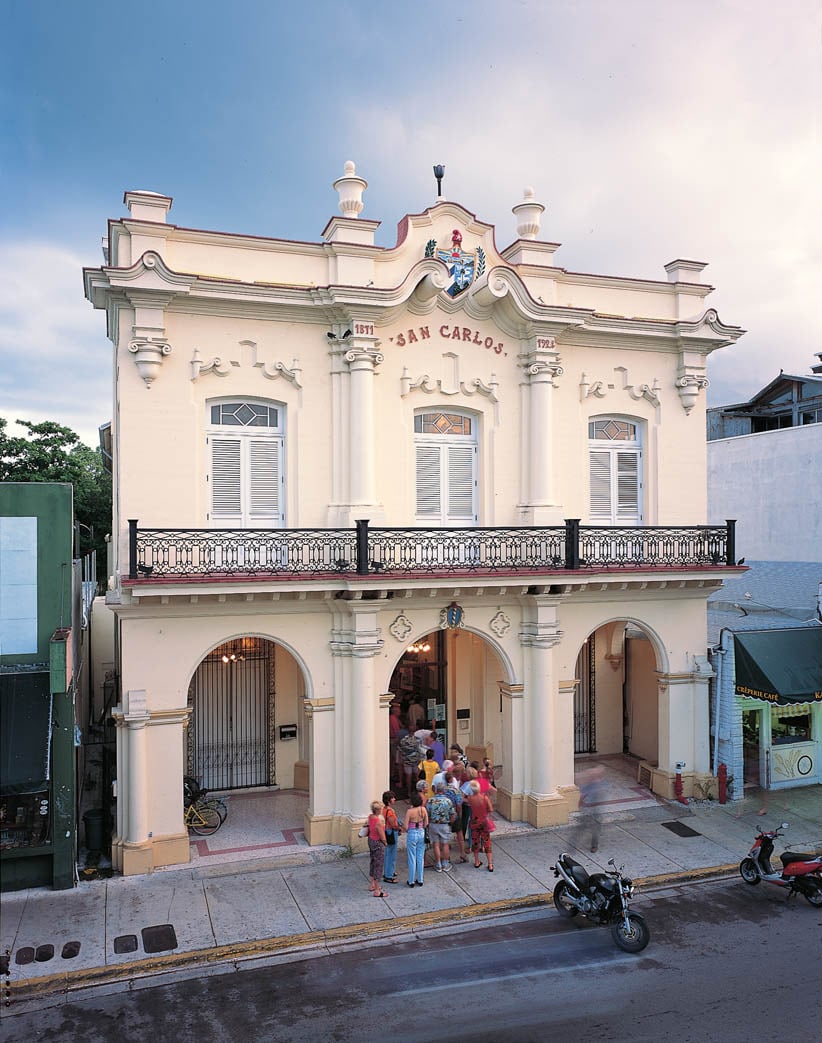
In September 1998, Hurricane Georges damaged the San Carlos Institute located in the Historic District of Key West, Florida. This historic building, designed in 1924 by renowned Cuban architect Francisco Centurión, commemorates the site where, in 1871, José Martí united Cuban exiles in their efforts to free Cuba from Spanish rule.
At that time, the building was used as a museum/art gallery, a library of Cuban historical memorabilia, an active theater, and a school.
After the hurricane, our architectural firm, Chael, Cooper, and Associates, was hired to manage the restoration. We were selected not only for our historic preservation background but also for our extensive hurricane repair and restoration work from previous storms, including Hurricane Andrew.
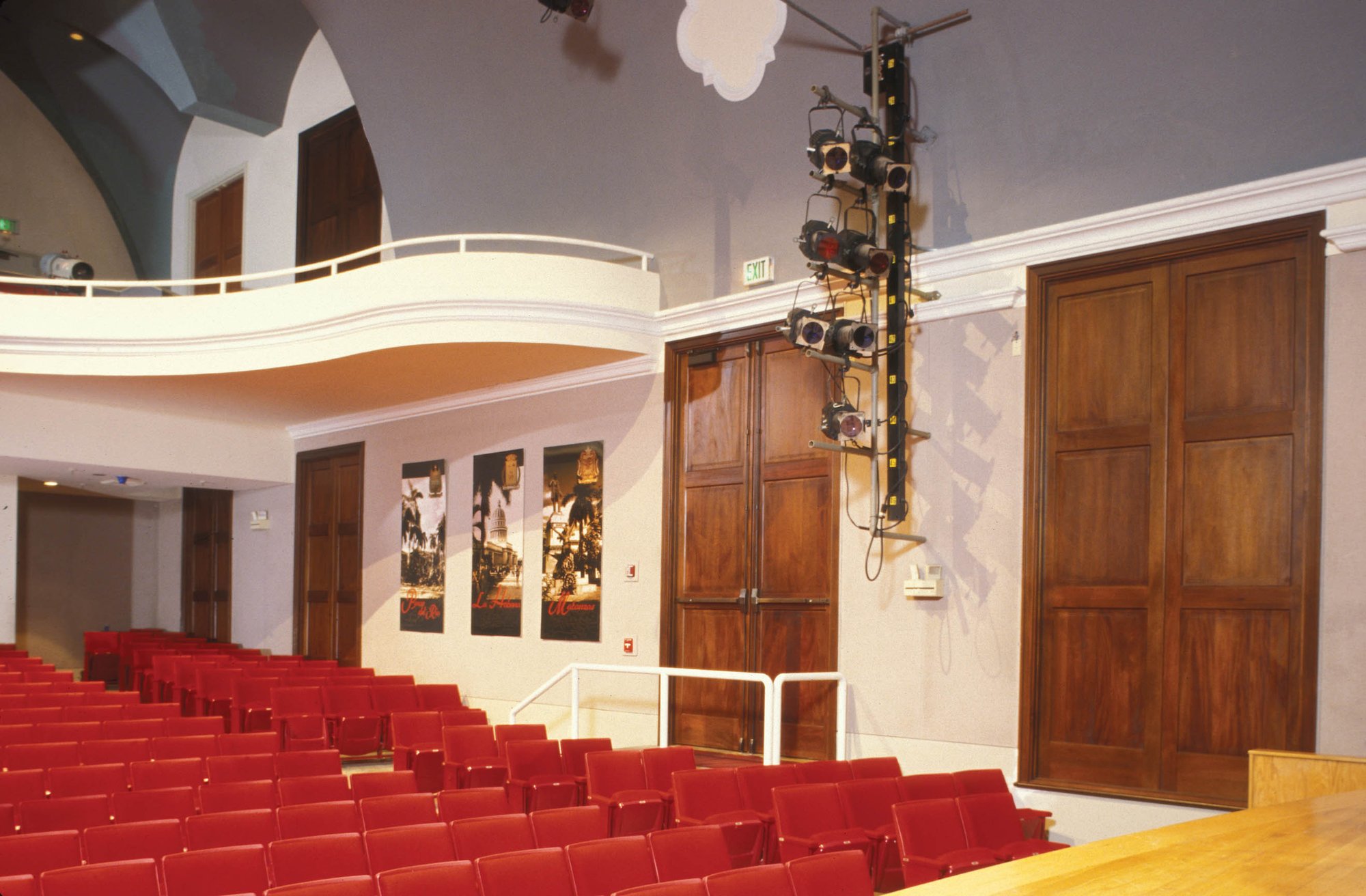
The original doors were essential to the auditorium's functioning, which was built 50 years before air conditioning was in practice. The doors were opened wide during performances to allow the natural sea breezes of Key West to flow through the audience for comfort.
The original 1924 auditorium doors were damaged and replaced sometime in the 1940’s with doors that were improperly designed for this space. They were ill-fitting and let rain blow into the auditorium even on light rain. We researched the old photographs and sketches of the original doors and had these replicated using the same construction techniques of the 1920’s.
DPMMR Rehab
.jpg?width=9856&height=20192&name=MMC%20Site%20Development%20(1).jpg)
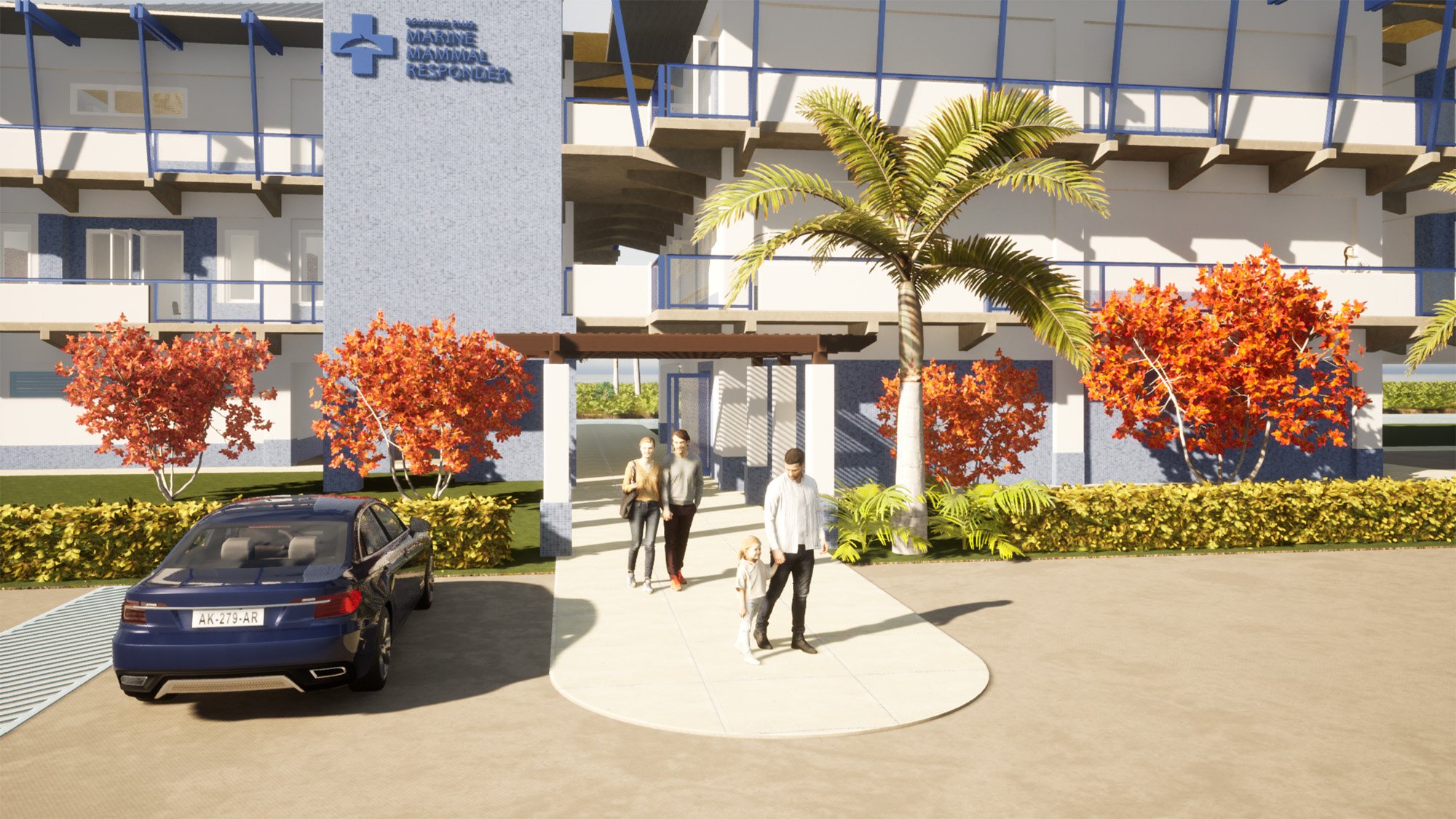
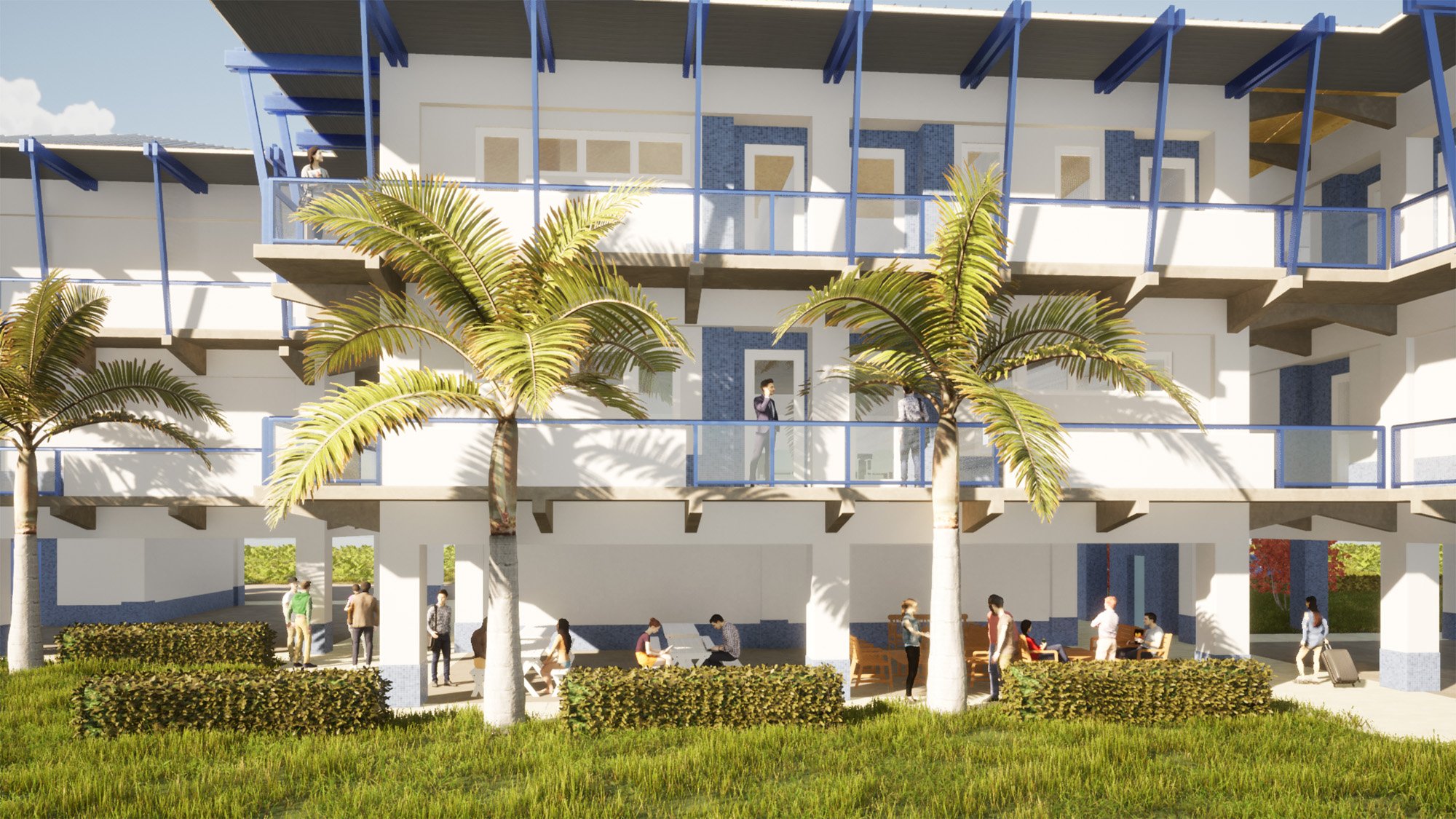
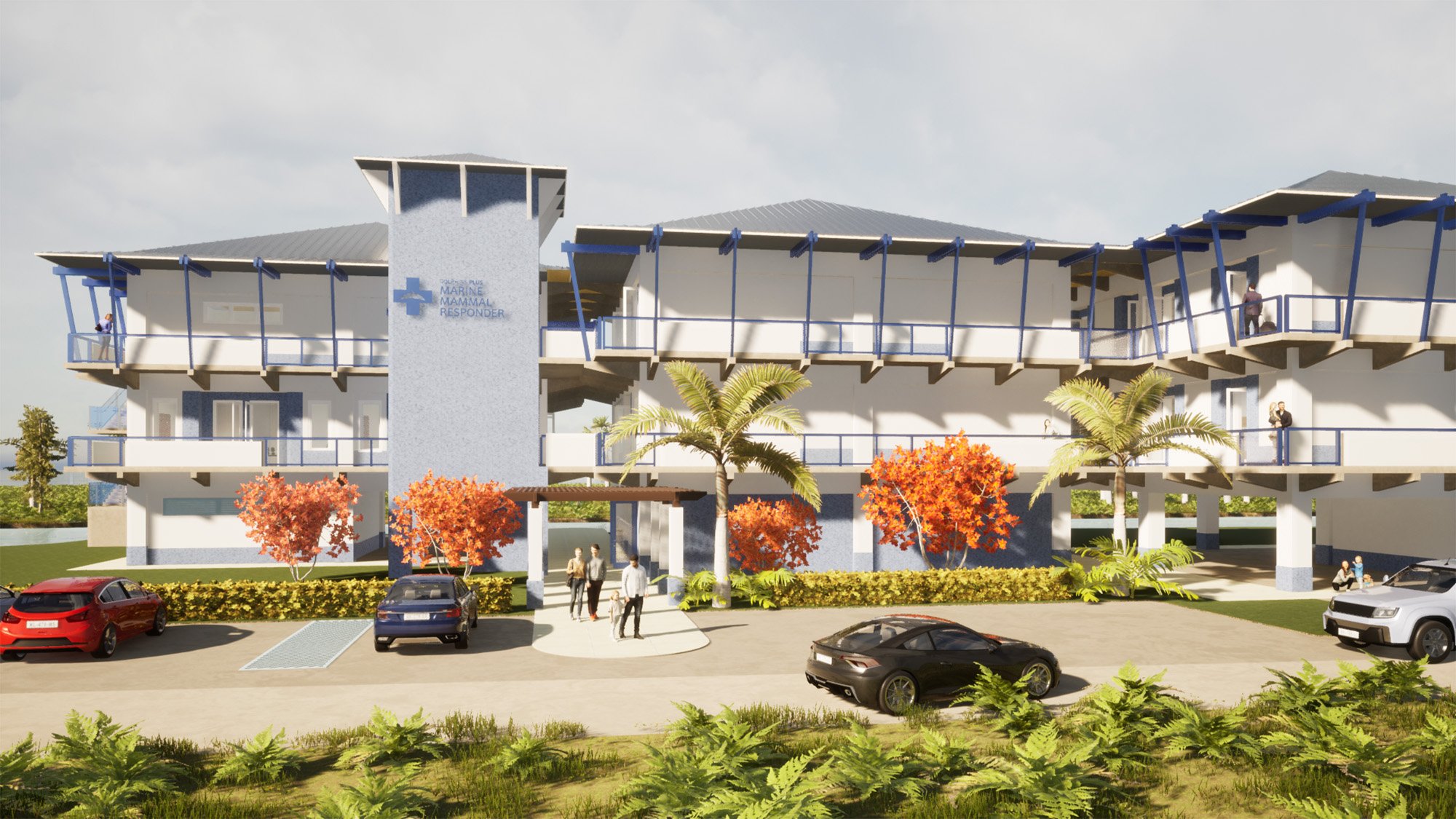
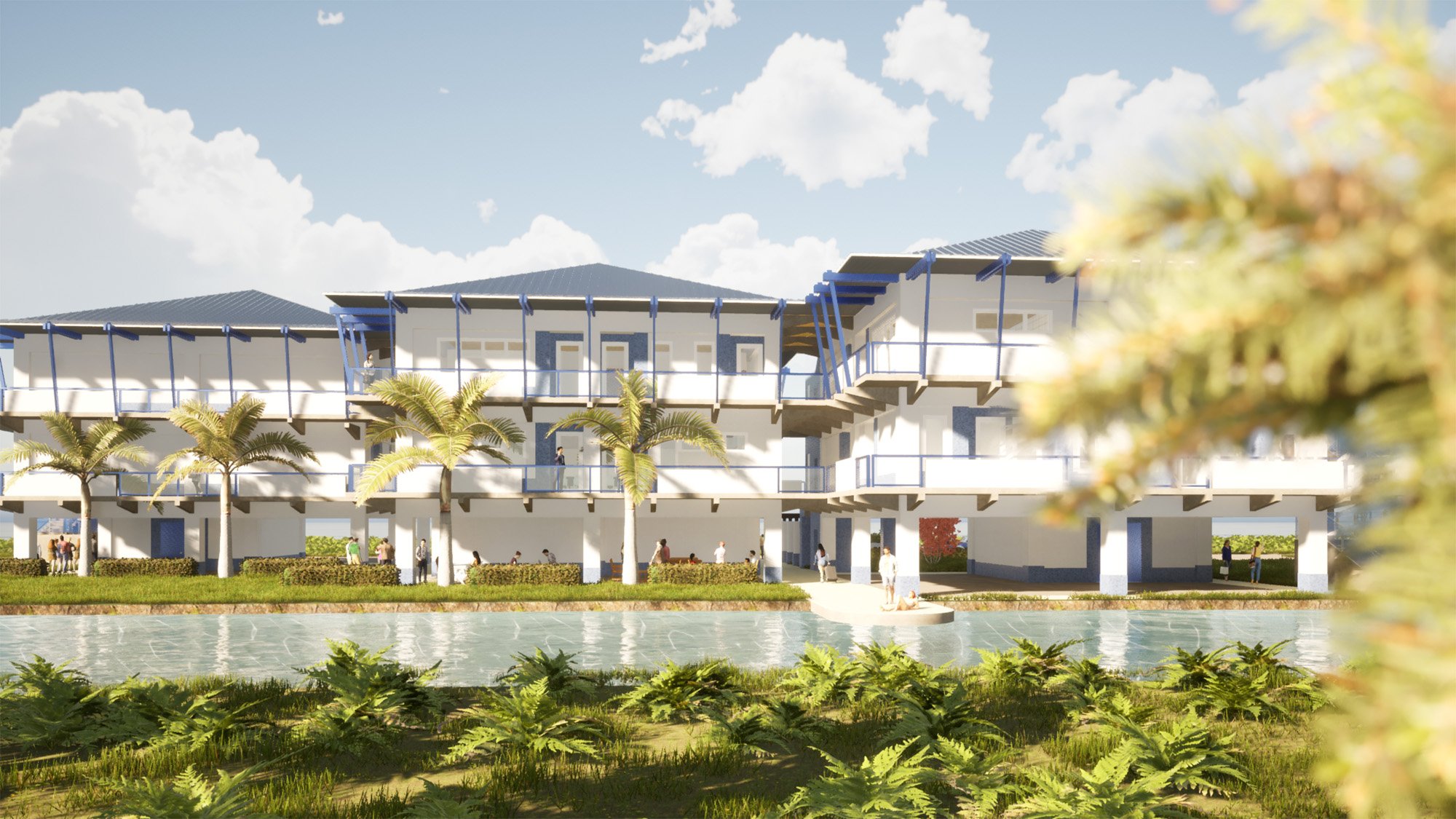
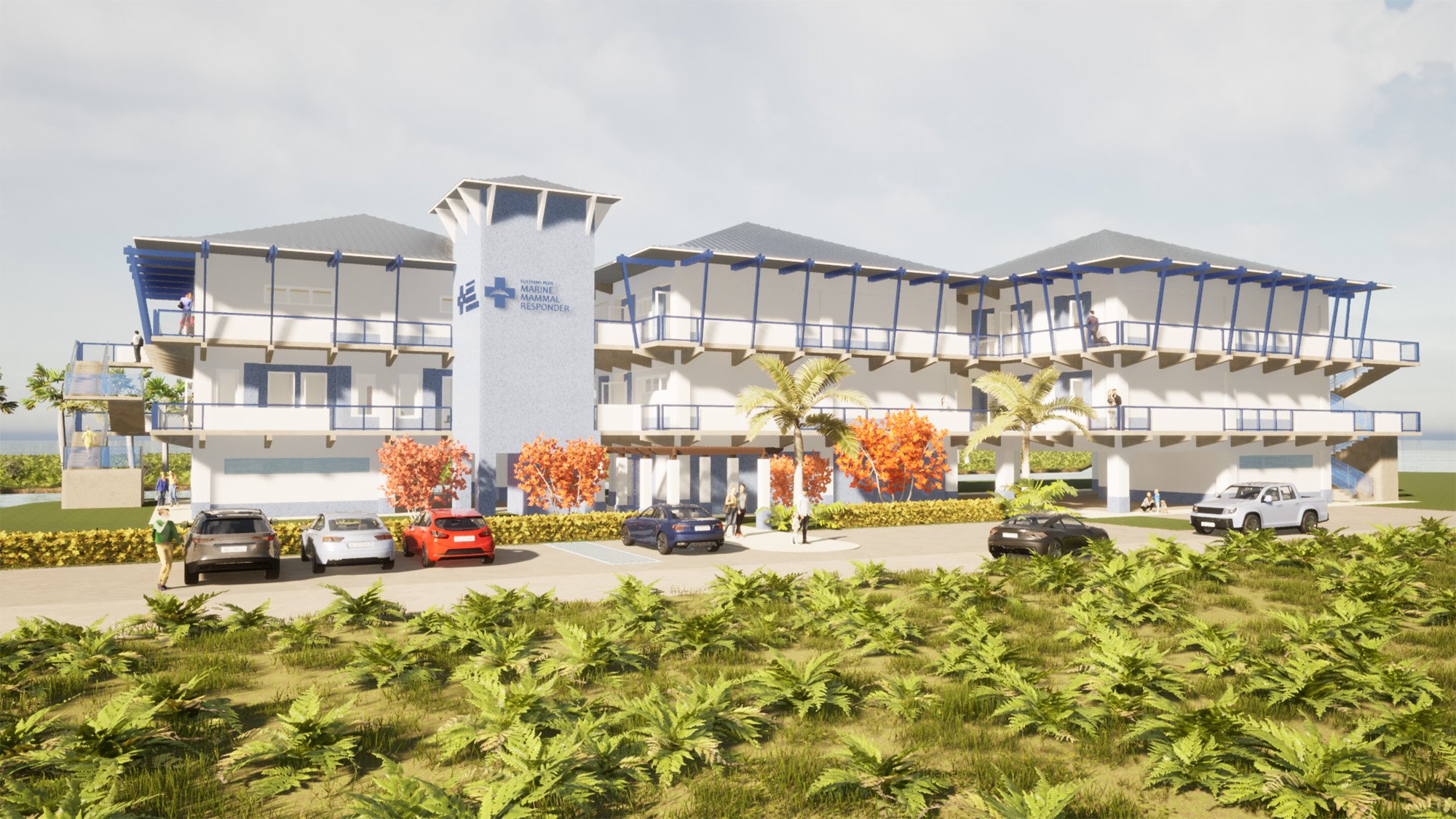
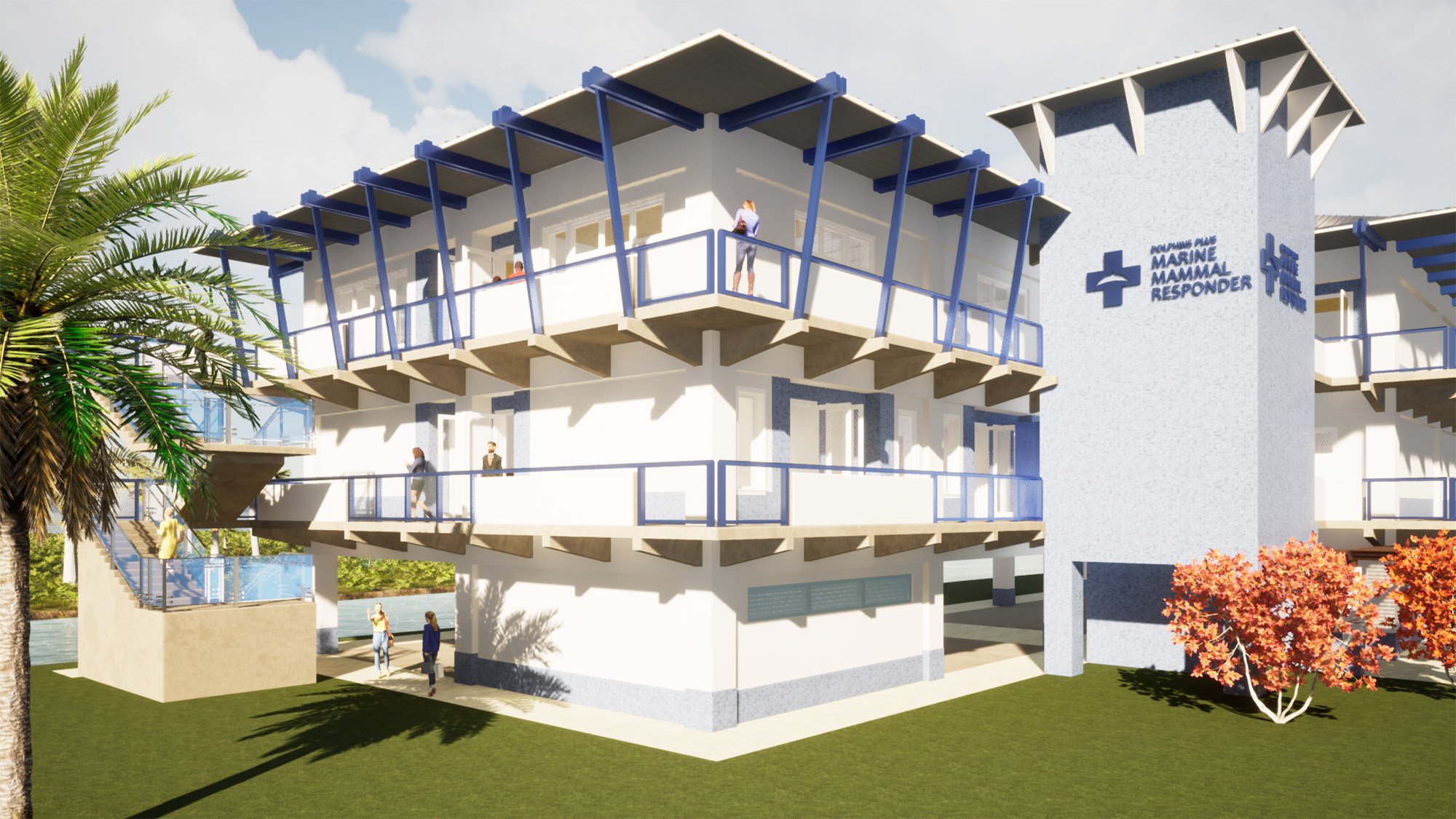
Dolphins Plus Marine Mammal Responders Unbuilt Research and Rehabilitation Center-Key Largo, Florida.
Dolphins Plus Marine Mammal Responders is the only provider in the Florida Keys dedicated to rescuing stranded marine mammals in need of rehabilitation. The facility was designed on a unique property in mid-Key Largo, Florida, on the Gulf of Mexico side.
The facility was envisioned with a 100-bed dormitory to house the many volunteers who help during the periodic strandings, classrooms, science laboratories, a necropsy unit, multiple holding pools, a fish kitchen, an auditorium, and large outdoor gathering spaces to be used to inform the public about the health and care of dolphins and whales.
Prior to construction, the organization adjusted the options and decided to build at another location in Islamorada, Florida.
Grant Center
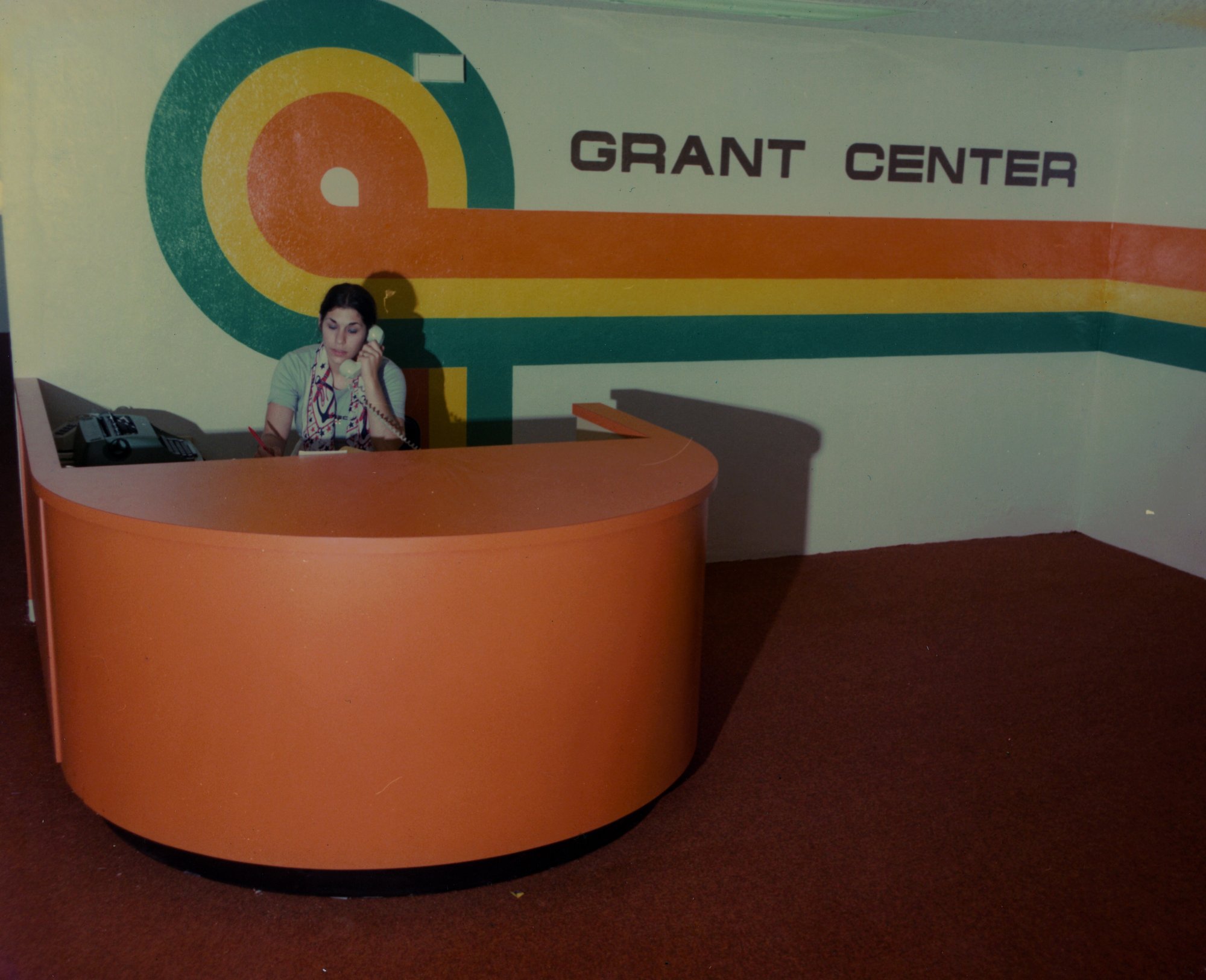
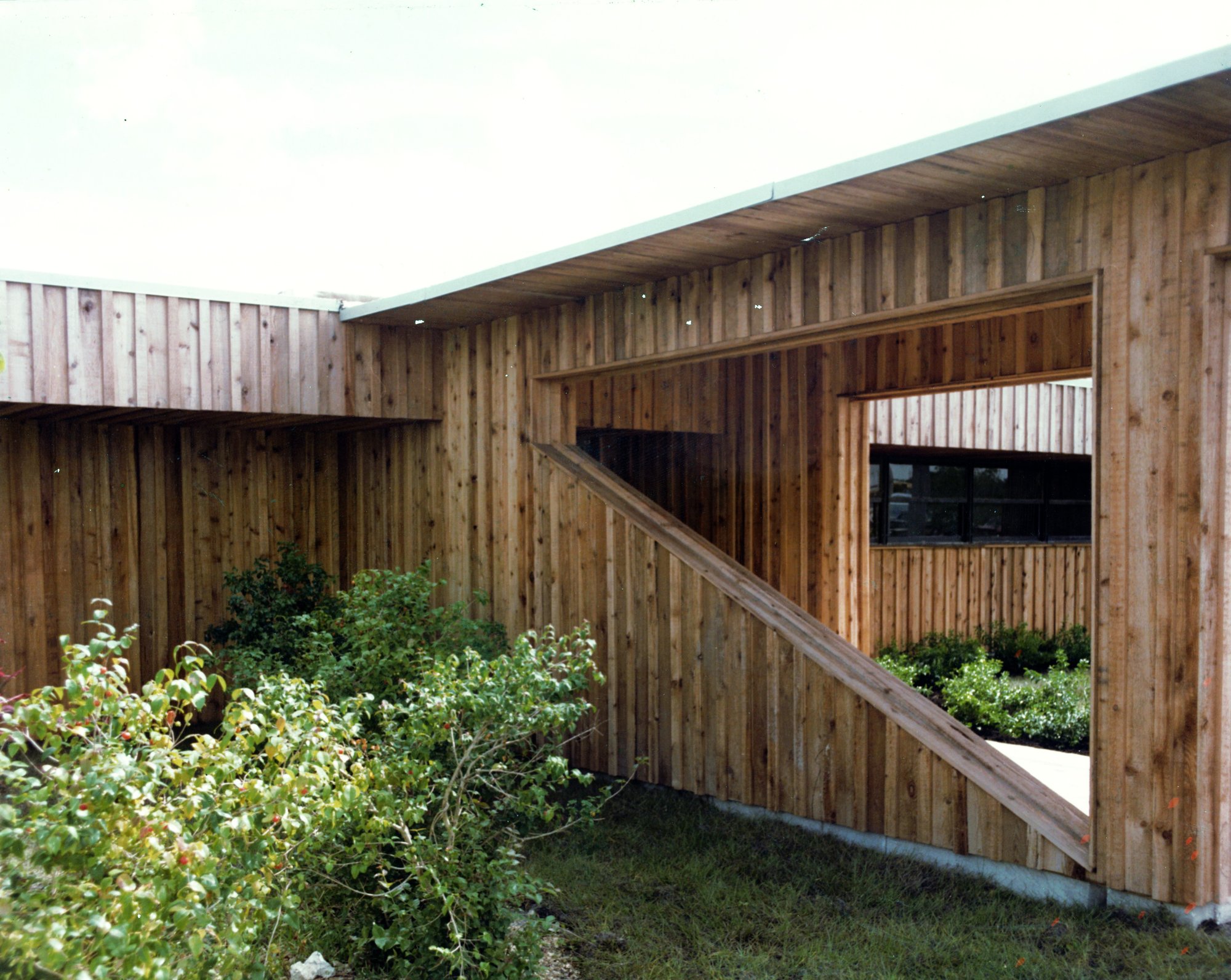
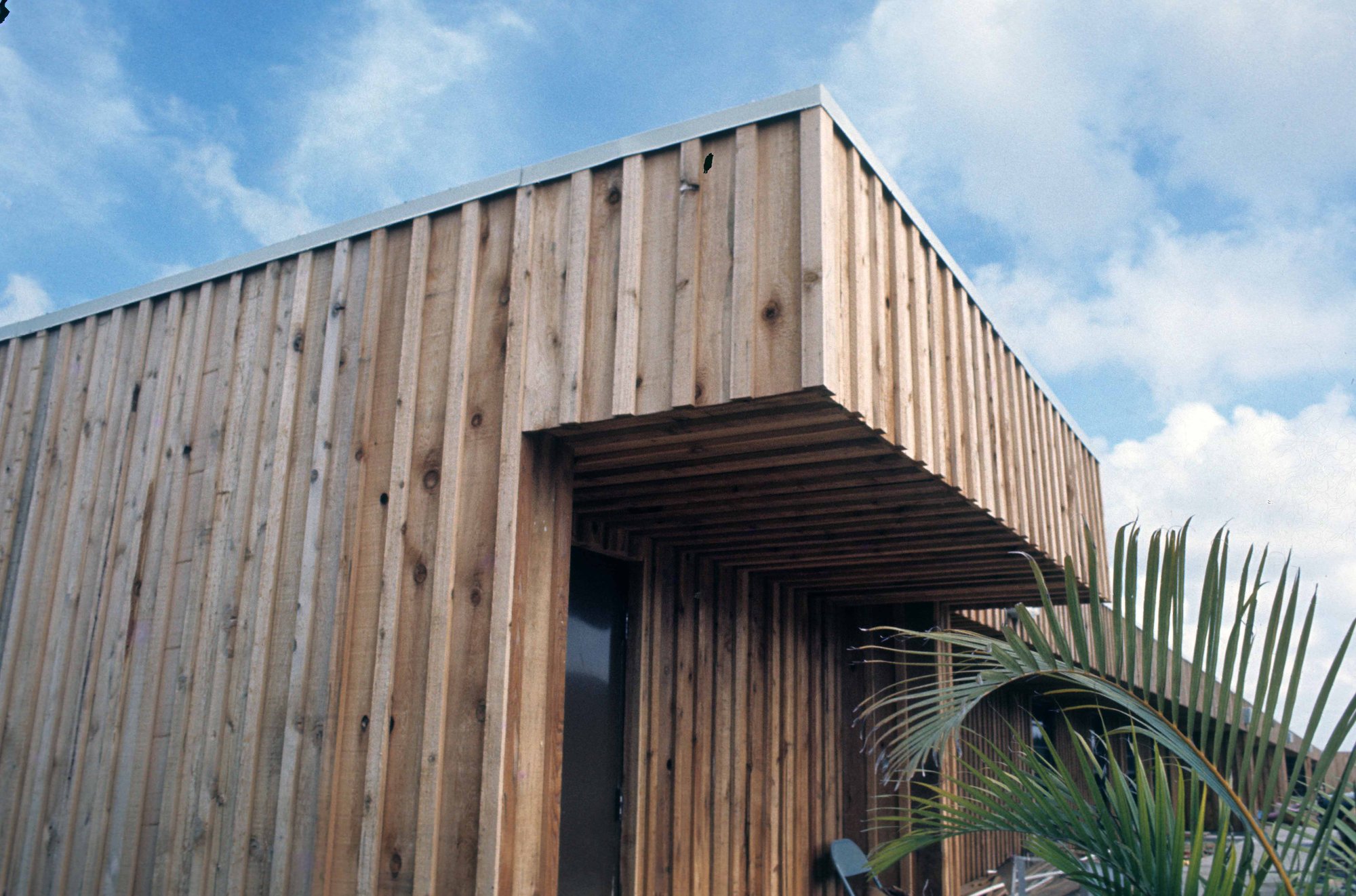
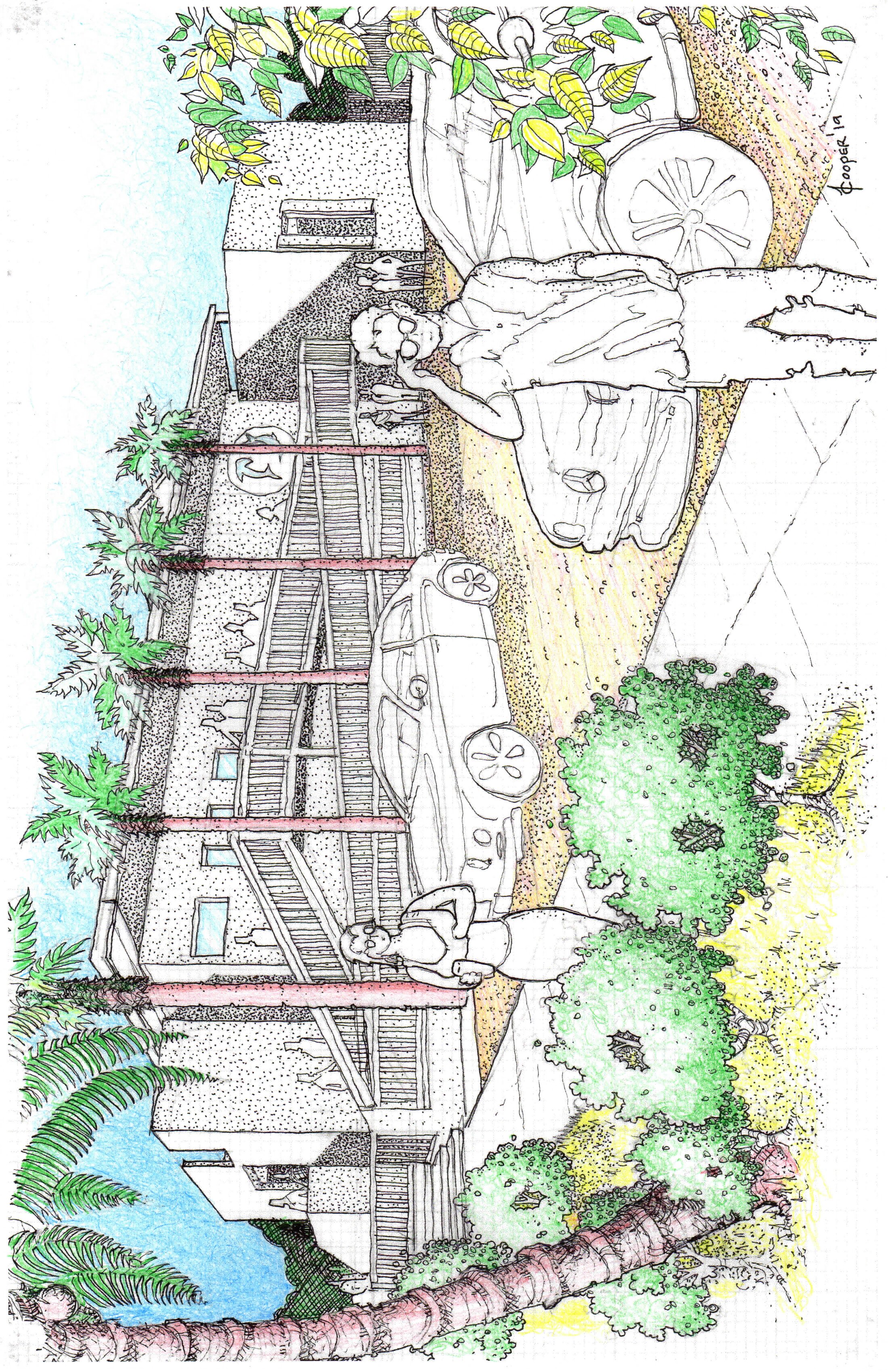
Grant Center Hospital, Miami, Florida
In 1975, Lee Grant, owner of Grant Center, approached me to design a 100-bed pediatric psychiatric hospital in South Miami-Dade County, Florida. This was envisioned as the largest residential, children’s psychiatric facility south of Atlanta, Georgia.
The facility was constructed with volunteer and donated labor and materials. The basic structure consists of six precast, factory-made duplex housing units, combined with all the supporting walls, with precast concrete Ts for the roof.
The complex comprises an auditorium, classrooms, dormitories for boys and girls, medical offices and treatment areas, a pool, administrative offices, a dining room, and a kitchen. Large colorful supergraphics were used throughout the complex to enliven the atmosphere.
The site is a twenty-acre lot with deep setbacks that provides space for athletic activities and some rudimentary farming.
The site was built with donated air conditioners, free site work provided by the local Sea Bees organization, and labor from local plumbers and electricians. The kitchen was purchased from the US Supply Depot in Stark, Florida, and all architectural and engineering services were provided pro Bono. On completion, the project was built for an amazing $3.80 per square foot. The project was later sold to HCA.
Marine Mammal Hospital
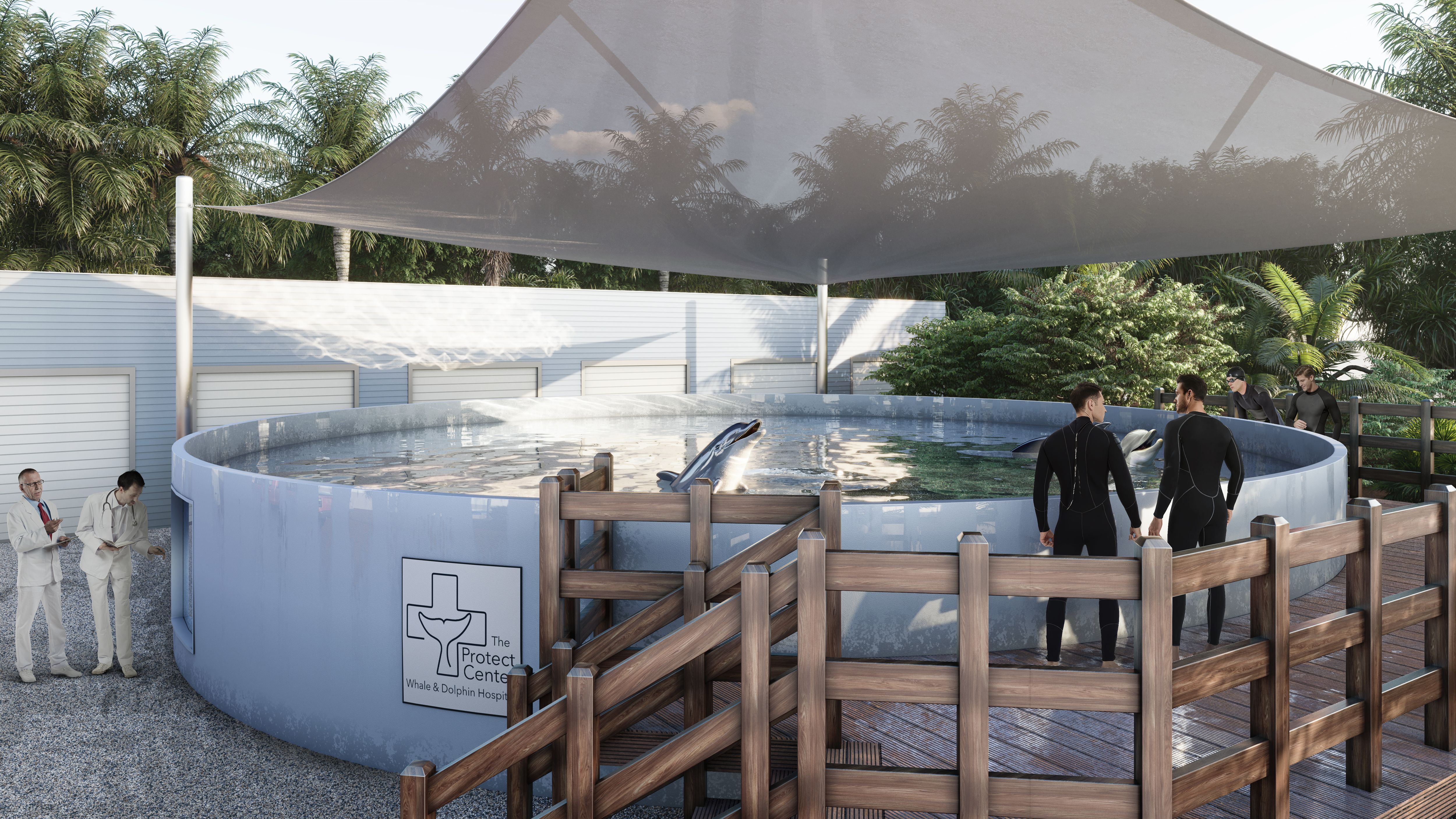
Dolphin Protect Center, Dolphins Plus, Marine Mammal Responders, Islamorada, Florida
The Dolphin Protect Center in Islamorada, Florida, was built in 2025 and features a classroom, a museum, and a 40-foot-diameter rehabilitation pool. The classroom, museum, administrative offices, veterinary offices and labs, and sales area for informational items about marine mammal health and well-being were renovated into an existing commercial storefront building.
The forty-foot-diameter rehabilitation pool is located in the back portion of the site, with a deck and canvas shade cover to protect the marine mammals during their rehabilitation and in preparation for release back to the oceans. A window at grade level allows for observation of the animals during their stay at the hospital.
Rollins College
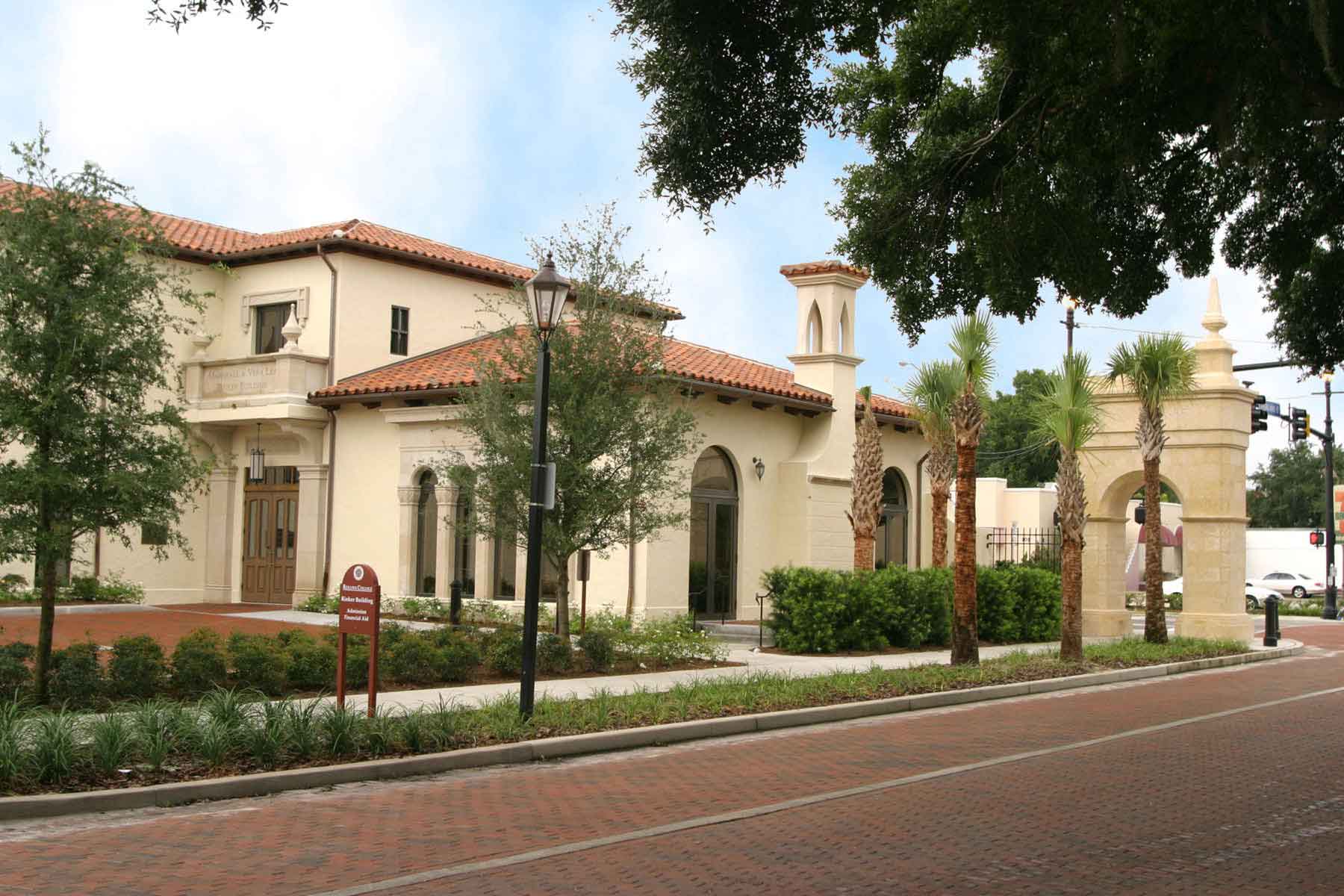
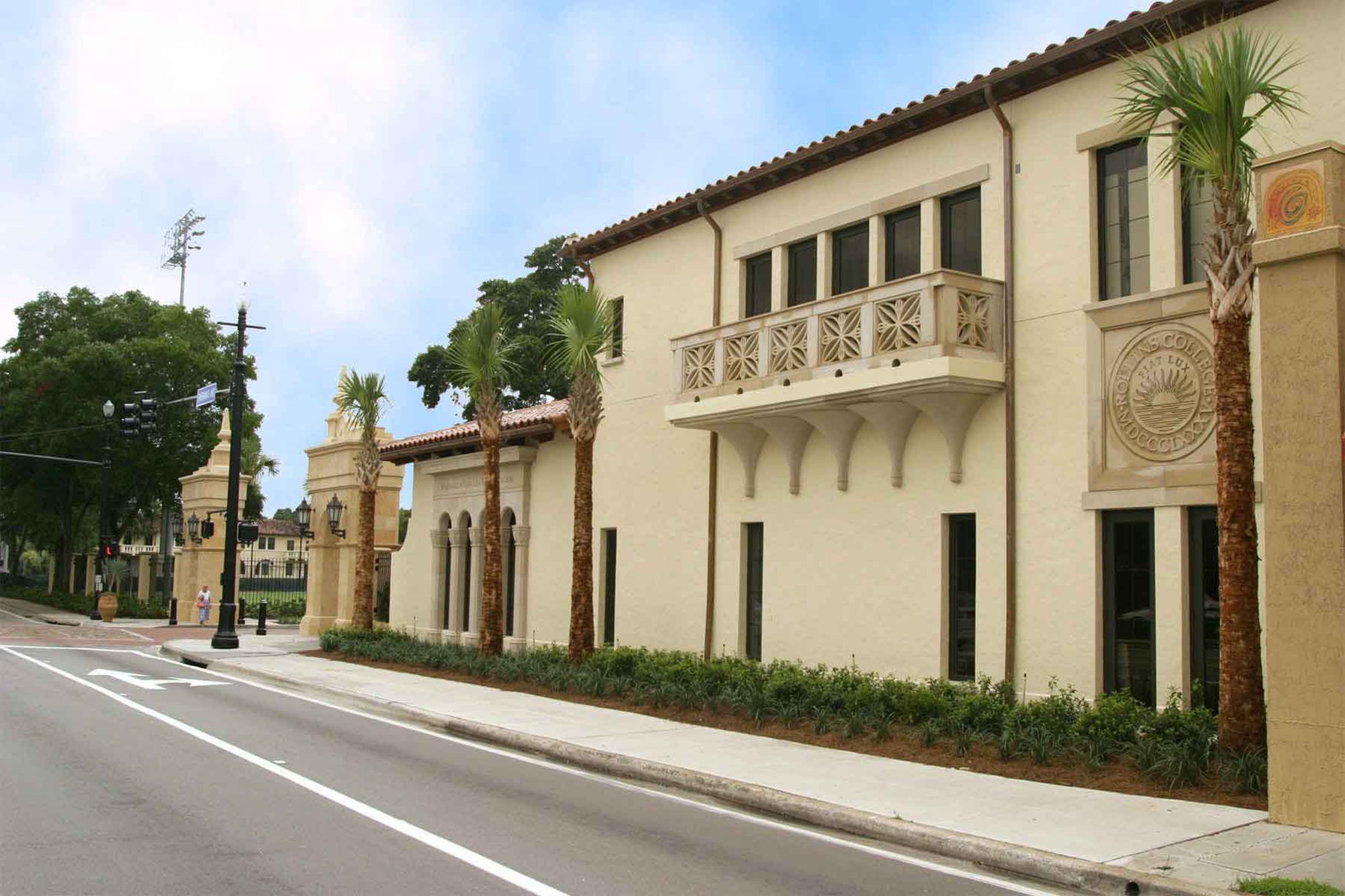
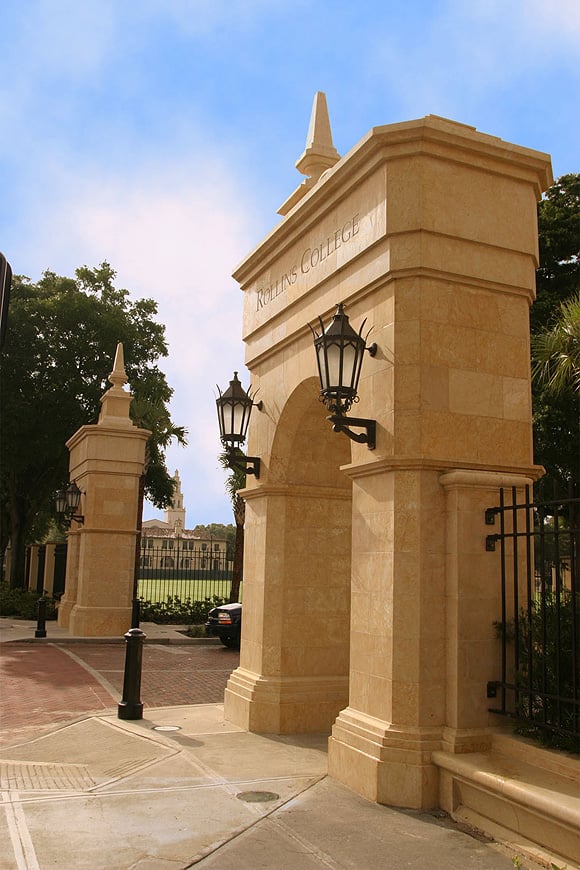
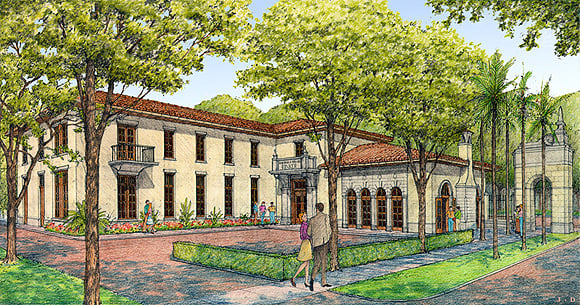
Rollins College Entry Gates and Administrative Building, Winter Park, Florida
Rollins College entry gates straddle the main entry road into the campus. The gates were designed to be a strong statement of the definition of campus life. After the gates were created on paper, the College administrator requested that we have a full-sized model of the gates built so they could experience and approve all the design components. A model-making firm located in Disney Park was commissioned to create the mock-up. The College president and others had the opportunity to experience the scale and feeling of the final product.
Rollins College Administrative Building, Winter Park, Florida
After the Rollins College entry gates were completed, the College administration awarded Chael. Cooper and Associates, the commission of designing an administrative facility that would be adjacent to the entry gates and house many of the activities for campus governance, and the introduction of visitors and future students to the campus
Unbuilt Institutional - Governmental
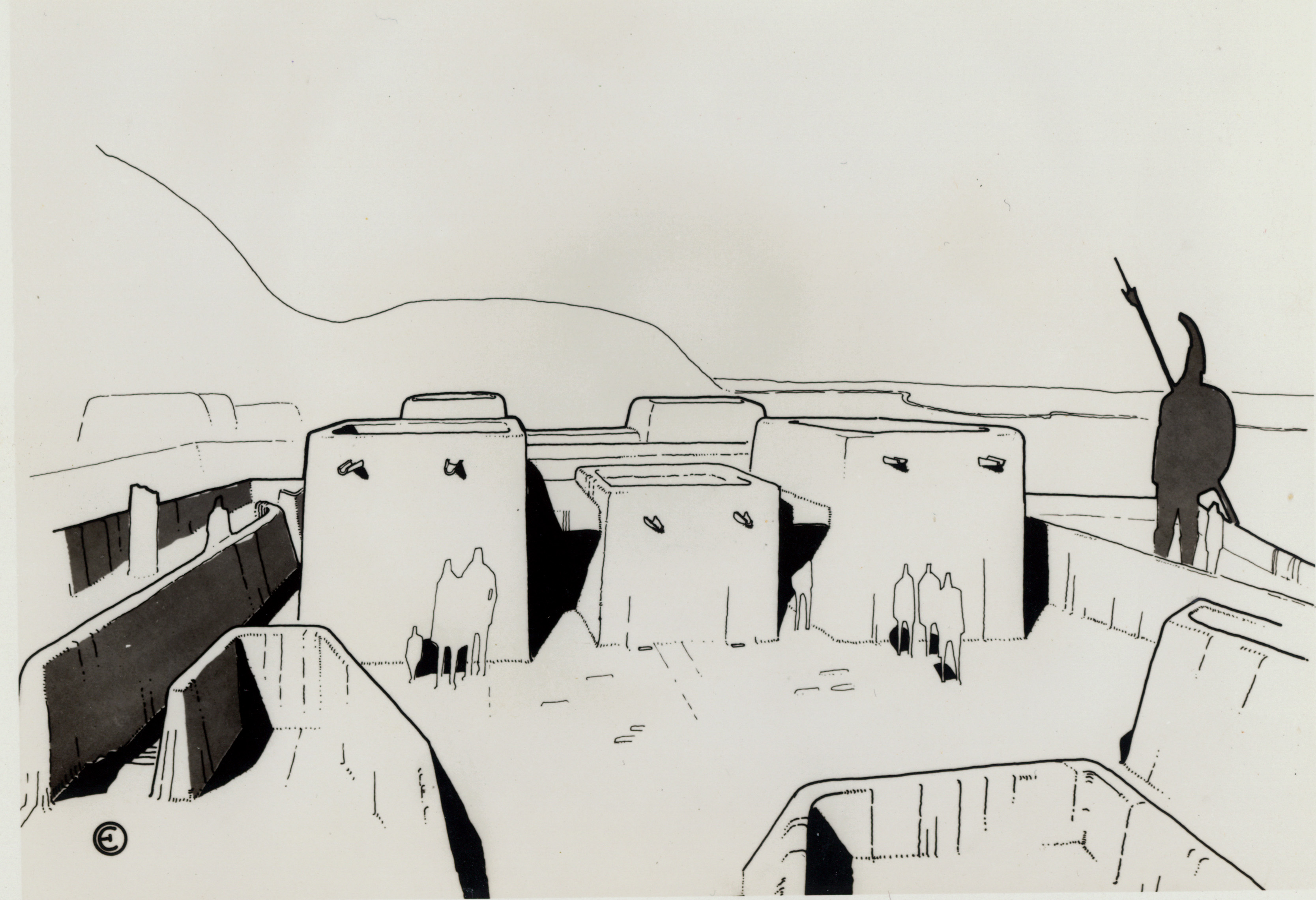
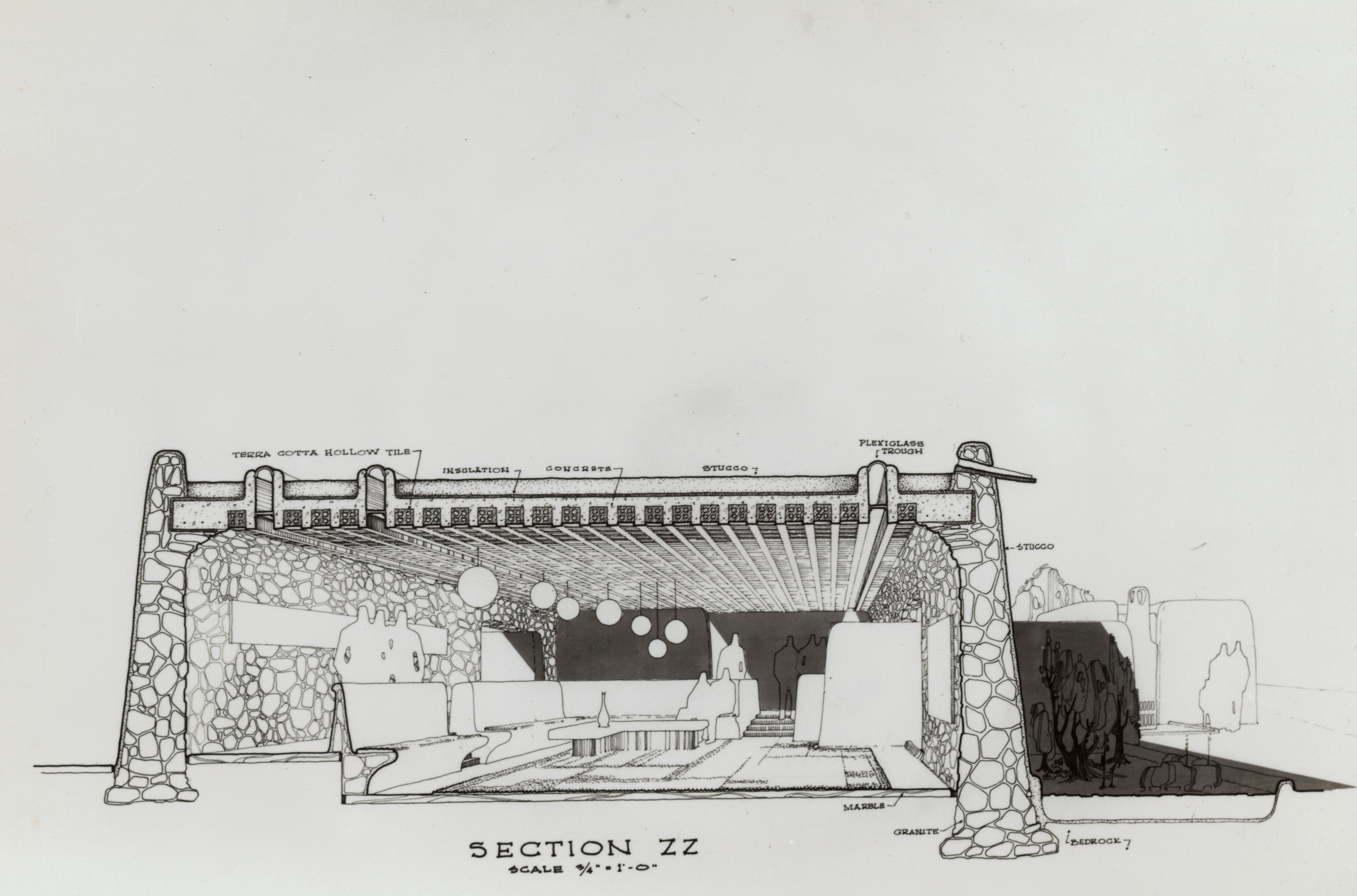
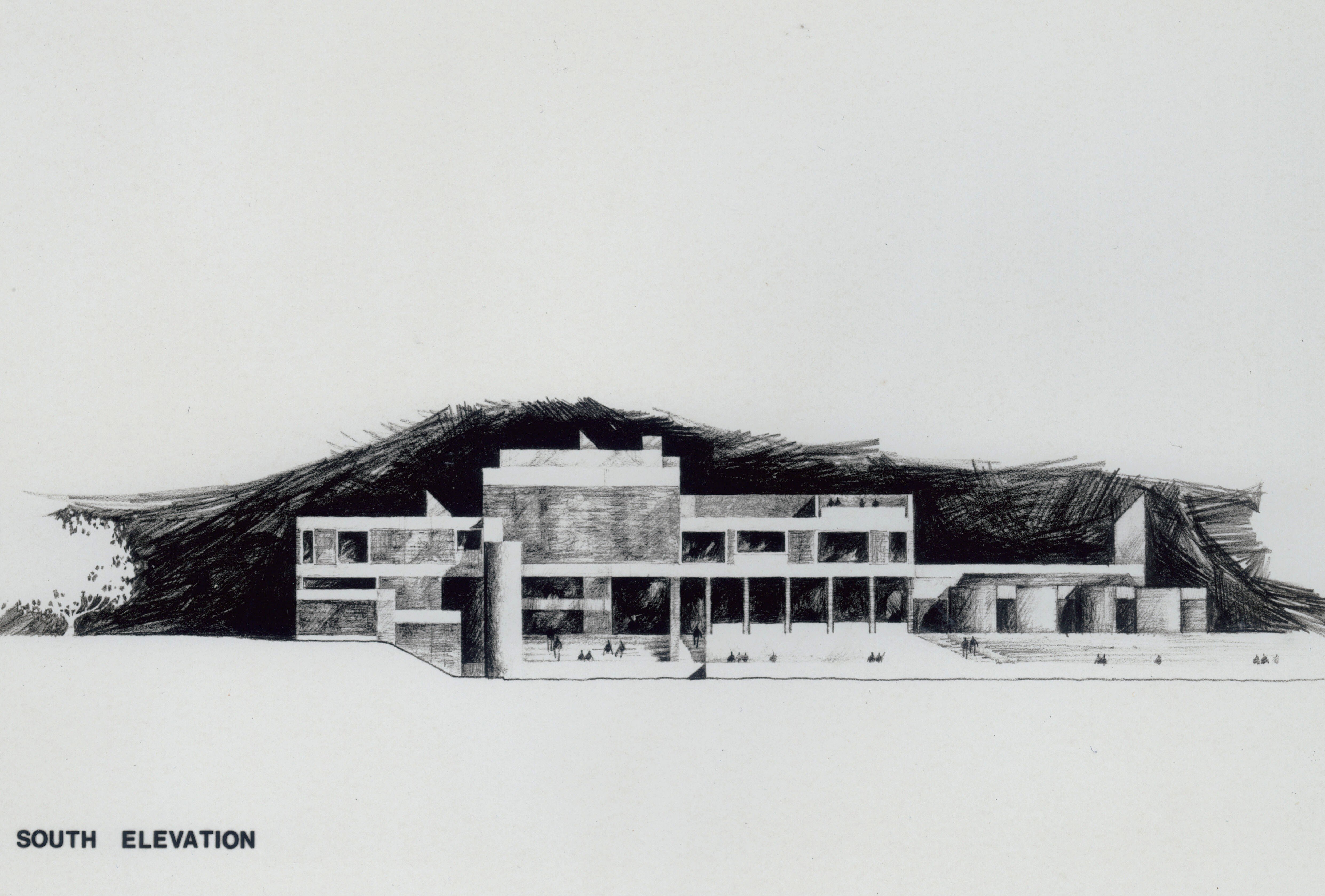
Unbuilt Institutional and Governmental Projects
Archaeology Museum in Greece Unbuilt
This student project was designed for one of the Greek Islands in the Mediterranean. The project used indigenous materials and construction methods commonly used in this area. The project included both interior and exterior museum and display spaces for artifacts discovered in recent archaeological digs.
Riverview, Michigan Governmental Complex Unbuilt
As a Senior Designer with Smith, Hinchman and Grills, a Detroit, Michigan architectural and engineering firm, designed a city hall complex for the town of Riverview, Michigan, located south of Detroit and north of Toledo, Ohio.
The complex included city administrative offices, council chambers, courtrooms, a police station, recreational facilities, and a fire station. After the complex was designed and the construction documents completed, the new city council decided to halt construction except for the fire station, which had already been completed.
The site included a large landfill project that was later converted into a low-slope hill, and a large reflecting pond adjacent to the city's administrative and legislative offices.